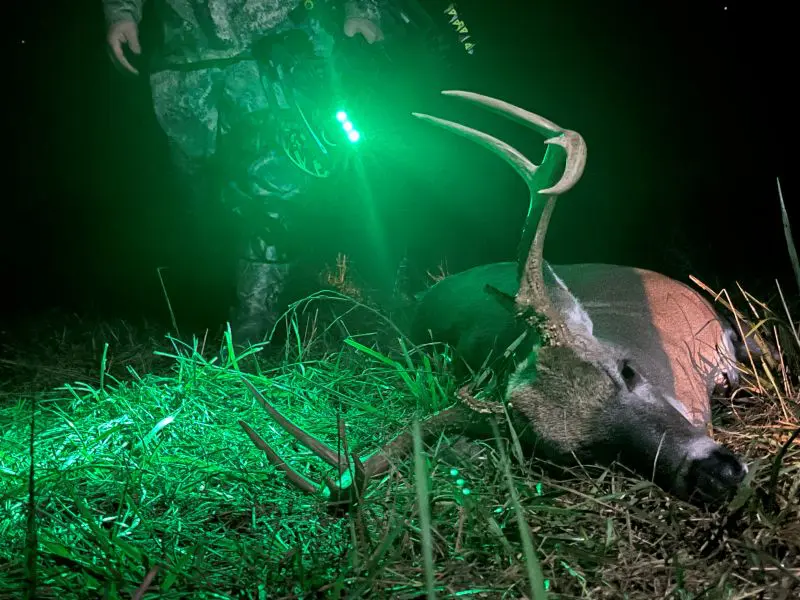
The opening day of deer season marks a fresh start. Bucks haven’t been pressured yet, summer patterns are ending, and anticipation is high. Whether you’re hunting public land or private property, where you choose to sit on opening day can mean the difference between filling your tag or just watching squirrels.
“I already know my first sit of the year,” said a good friend of mine as we shared our excitement for the upcoming season. At first, I wondered if he had a good buck on camera or some other reason to commit to a spot so hastily, especially since it was only early July. Over the last six years of hunting the same farm near my home in Missouri, I’ve identified one or two areas that I consider ideal for early-season sits. One stand in particular has consistently produced bachelor groups of bucks that show up on camera throughout the summer. If I time it right and don’t pressure the area, I can take advantage of their summer routines before they transition into their more elusive fall patterns.
A few seasons ago, I arrowed a mature buck on October 3rd by carefully watching and understanding his evening movements. Each year, I continue to learn and improve, aiming to tag my first buck even earlier. My ultimate goal is to fill a tag on opening day. To make that happen, hunters need to focus on identifying key features and patterns that lead to productive early-season stand locations. Studying summer behavior, minimizing pressure, and anticipating transitions are all vital components for achieving success on opening day.
Food Source Edges: Capitalize on Summer Patterns
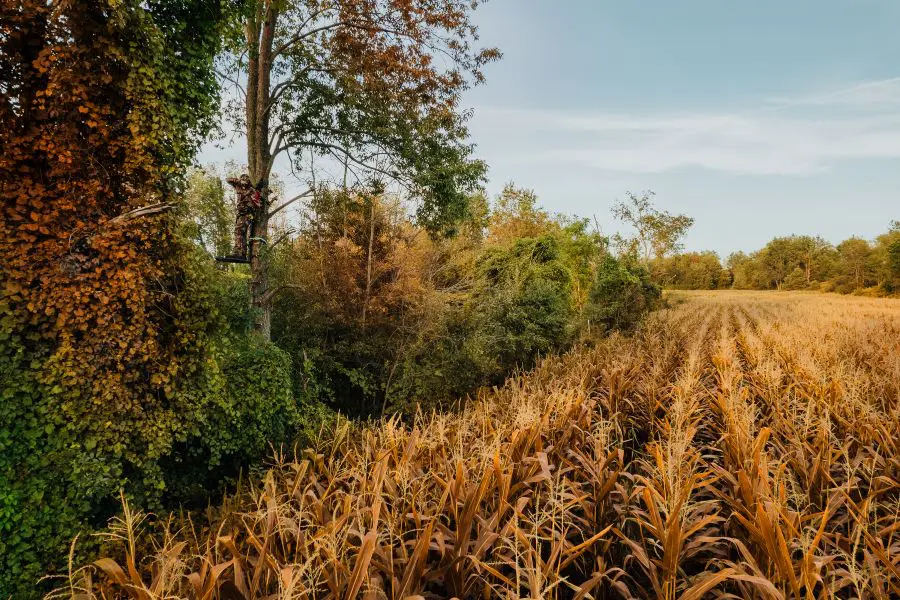
In the early season, bucks are still focused on consistent food sources, such as agricultural fields, clover plots, and hard-mast-producing trees like white oaks. The key to success isn’t setting up directly over the food source, but rather along the edge, where deer often stage before entering to feed. That’s exactly what I did in early October during the 2021 Missouri archery season. I chose a stand overlooking a small hayfield that featured a grove of oak trees, which provided shade for the landowner’s cattle during the summer heat. That evening, I watched over twenty deer filter into the field. Some fed on clover tucked beneath patches of taller grass, while others focused on freshly fallen white oak acorns. I even captured a short video on my phone of a three-year-old buck lifting its head, an oak branch hanging from its mouth as it chewed on acorns. About forty-five minutes later, the buck I was after appeared, working his way along the edge of the fence line to join the others.
When searching for the ideal opening day food source stand or a tree to set up your tree saddle, look for fresh rubs and trails leading into crop fields or plots. Additionally, find those groups of evening deer by scouting weeks before the season begins. Once you identify a promising area, set up 20–40 yards inside the tree line to intercept staging bucks before last light. Deer often linger until sunset before revealing themselves. Being tucked just inside the cover gives you a shot before legal light fades.
Water Sources: Quiet Confidence in the Heat
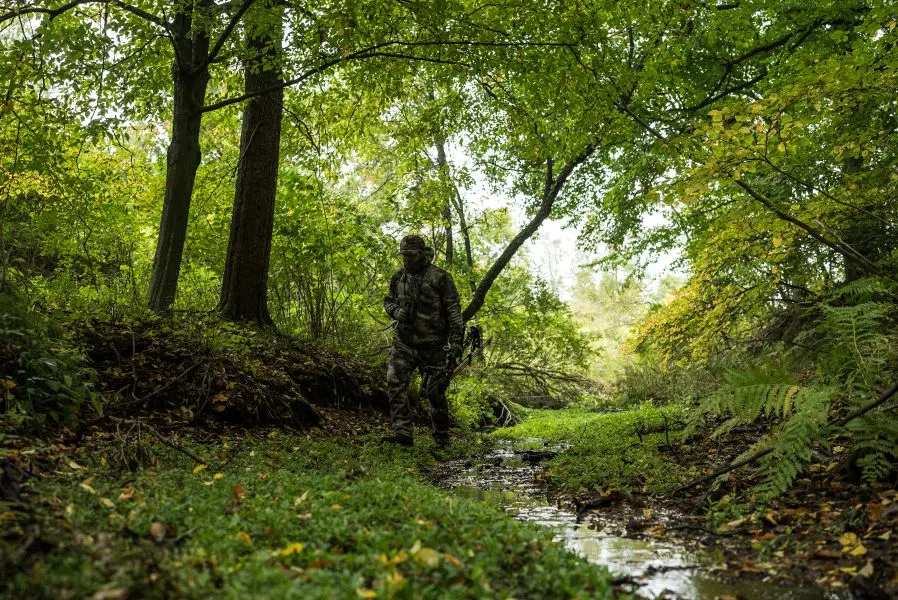
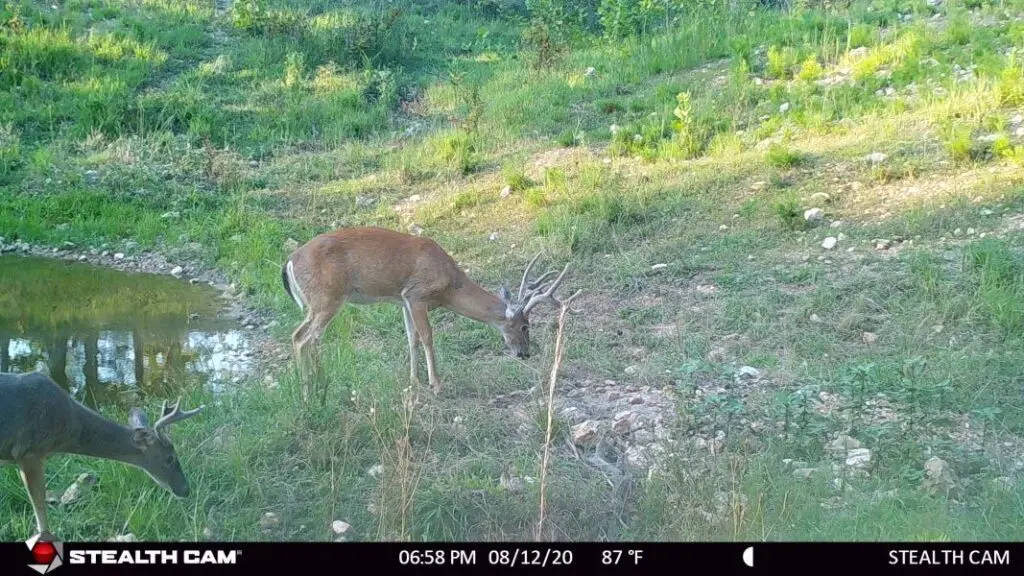
One of the top first sit locations is near a reliable water source, especially during warmer weather. There are usually good reasons for this. In some states, the early season can feel more like summer than fall. Water becomes a major attraction, especially in dry years. Hunters should target secluded ponds, creeks, or small puddles, or areas with water near bedding spots.
Prioritize midday and afternoon sits during warmer opening days. A lone buck slipping in for a mid-afternoon drink can be caught off guard, especially if he’s bedding nearby and has had no human encounters yet. Scent control is crucial when sitting near an area, such as a pond. Ensure you are wearing your scent-controlling Blocker clothing and using an effective scent control regimen that includes scent elimination sprays and a cover-up scent such as fresh earth. Being quiet, patient, and scent-free will help seal the deal on an early-season, close-range buck.
Transition Trails
Aside from water, early-season bucks focus on two main things: food and finding a cool place to rest. Between feeding and resting spots, deer often choose the easiest route, making these subtle pathways perfect for your first sit of the season. Whether it’s a saddle between ridges, a ditch crossing, or a thin strip of cover between two fields, transition routes naturally attract deer movement. Use trail cameras and scouting to identify consistent patterns, then position your stand where multiple trails converge or narrow down. These spots are often missed on opening day. Mature bucks might avoid open fields during daylight hours, but they’ll travel through transition areas earlier, especially if they don’t feel pressured.
Acorn Hotspots: Follow the Mast
Earlier, we mentioned field edge food sources. Yes, sometimes that can be a group of oak trees. But when the white oaks are dropping, hunters can sometimes forget about the fields altogether. Acorns are like candy to whitetails: sweet, high-energy, and impossible to resist. Plus, they often make deer abandon other food sources when acorns start hitting the ground.
When you find a large area of oaks deeper in the timber, start scouting for fresh droppings and feeding sign beneath them. Avoid overhunted oak flats; instead, target isolated clusters near bedding cover. Early in the season, bucks are easier to find in an acorn hotspot before their travel patterns start to change as fall nears. Take advantage of these patterns by choosing an acorn buffet as your first stand area of the season.
Bedding Area Perimeters: Risk vs. Reward
Opening day is one of the few times you can risk hunting close to bedding without spooking the woods. Bucks may still follow predictable routines and haven’t been pressured yet. Additionally, when early-season temperatures remain warm, deer tend to stay still and seek shade to stay cooler.
Bedding areas are still a sacred spot, so when hunting near bedding, enter quietly and early (well before first light). Also, hunt the downwind side of known bedding in the afternoon or morning if access permits. You’re more likely to catch a buck returning to bed after sunrise or getting up to stretch in late afternoon. Timing, wind, and stealth are everything. So, if opening day is hot in your region, make your first stand near a bedding area.
Bonus Tips for Opening Day Success
Scout Smart: Use trail cameras and glass from afar in the week leading up to opening day to avoid contaminating spots.
Wind Rules All: No matter how good the spot looks, never hunt it with the wrong wind.
Hunt Midday: If pressure pushes deer nocturnally quicker, consider a midday sit when most hunters are at lunch.
Go Light, Stay Mobile: If conditions or signs change, be prepared to adjust your stands or shift tactics.
The best stand for opening day isn’t always the most obvious choice. It’s the one that balances access, wind, and deer movement before they feel the pressure. Bucks may be easier to pattern, but they’re still wild animals with sharp instincts. If you do your scouting, play the wind, and hunt smart, rather than aggressively, you’ll be sitting where others wish they were come opening morning.