From red-and-black wool to fluorescent orange, how hunters learned to be seen, and how the Blocker Outdoors® Shield Drencher Insulated Jacket and Bib carry that lesson into today’s deer woods
For the better part of a century, American deer hunters dressed for safety in a color that all but vanishes at first light. Nobody realized it at the time. Red was bold, it was traditional and, in plenty of places, it was the law. North Dakota, for example, required deer hunters to wear a red cap starting in 1931.
Red-and-black plaid wool became the unofficial uniform of the whitetail woods. It was warm, shed snow and looked like November. Hunters trusted it, too. Surely nobody could miss a guy in a bright red coat. Right? As it turned out, red wasn’t nearly as visible as everyone presumed. Accidents had wildlife officials asking whether huntsmen could actually be seen, and in 1959, a color-visibility study run by Massachusetts wildlife officials and the U.S. Army at Fort Devens finally showed that red simply wasn’t doing the trick.
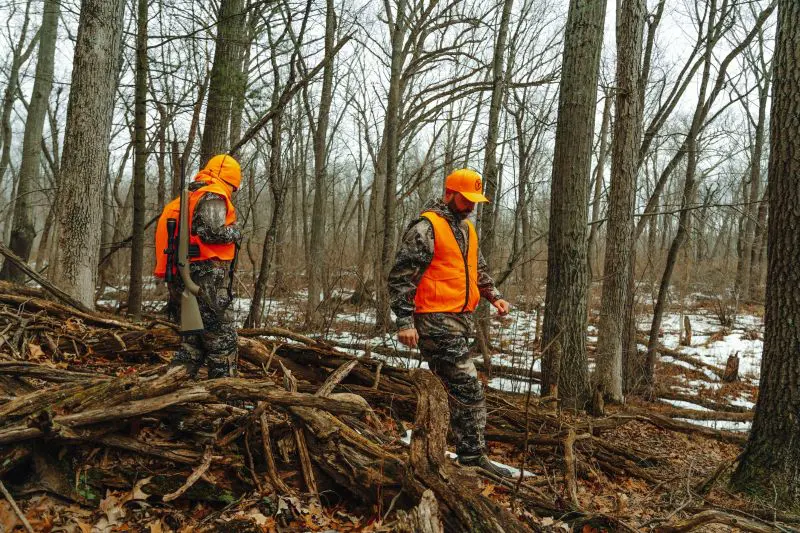
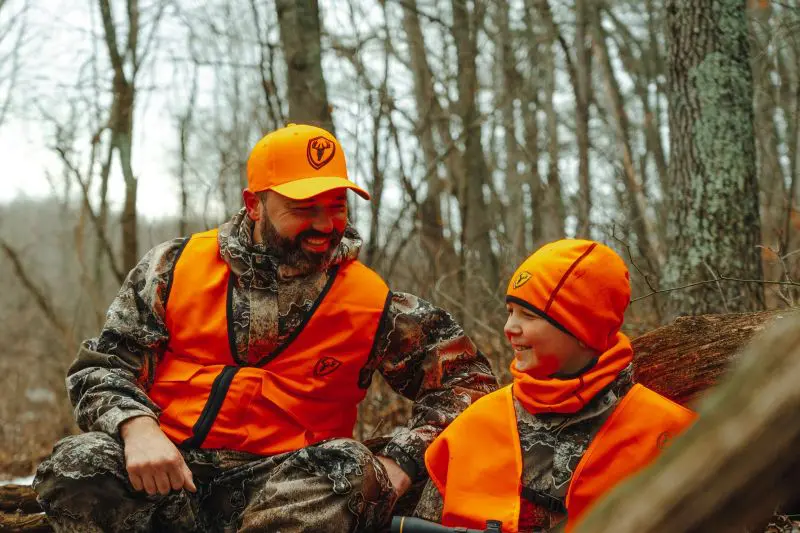
That lesson is the backbone of today’s blaze orange, and it’s the reason Blocker Outdoors builds its firearms-season gear the way it does. Take the Shield Drencher Insulated Jacket and Bib. They’re waterproof, insulated and solid blaze orange from collar to cuff, made for long, cold sits when the weather turns ugly. A handful of blaze accessories fills in the rest, so hunters stay warm, dry, quiet and, most of all, seen. To appreciate why that matters so much, however, you must go back to the red coat.
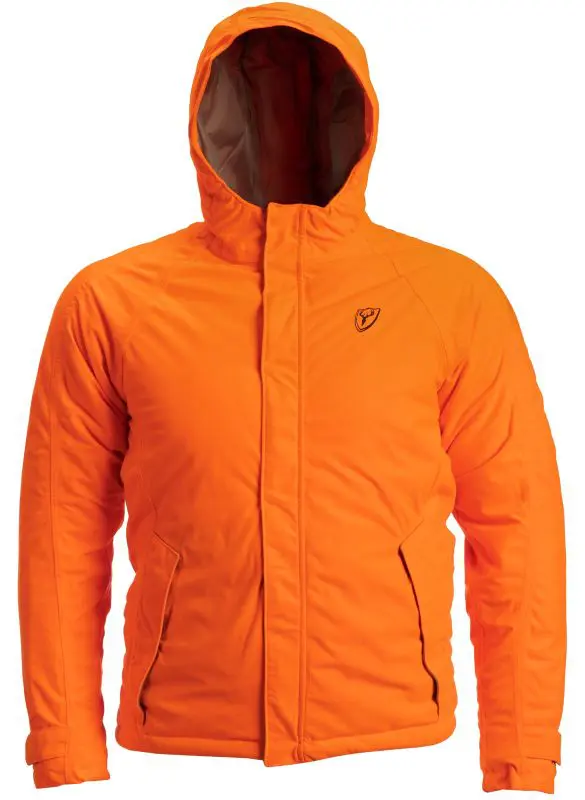
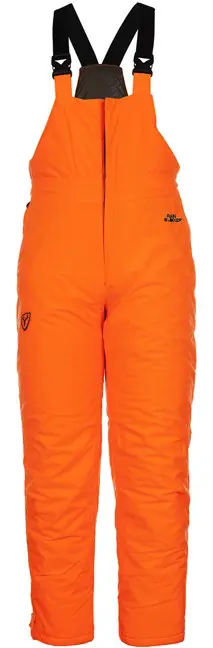
That lesson is the backbone of today’s blaze orange, and it’s the reason Blocker Outdoors builds its firearms-season gear the way it does. Take the Shield Drencher Insulated Jacket and Bib. They’re waterproof, insulated and solid blaze orange from collar to cuff, made for long, cold sits when the weather turns ugly. A handful of blaze accessories fills in the rest, so hunters stay warm, dry, quiet and, most of all, seen. To appreciate why that matters so much, however, you must go back to the red coat.
The Color That Disappears at Dawn
The trouble with red is that it plays tricks in poor light when deer typically move the most. Hunters didn’t have much reason to question it, though. Red was what they owned, and red was what the rules asked for. One North Dakota hunter’s account of the 1959 season put it simply: “I was well dressed in red.”
That Fort Devens study set out to learn whether being well dressed in red actually meant being seen. Over three months of field testing, in every kind of light and weather, the results weren’t kind to tradition. Greens melted into the foliage and yellow washed out to off-white. Red went dark, appearing nearly black in shadow and fading away entirely in poor light.
Painfully Brilliant
One color stood apart from everything else in the woods, and that was daylight fluorescent orange. Field & Stream carried the news to hunters in 1960, calling it “the color least likely to be associated with anything else in the world of nature.”
That line says it all. Nothing in the fall woods looks like blaze orange, so nothing in the fall woods gets mistaken for it. Massachusetts became the first state to mandate wearing the fluorescent color in 1961. It isn’t ordinary dye, either. Daylight fluorescent pigments soak up ultraviolet light and give it back as visible color, which is why blaze orange seems to glow even on a gray leafless morning.
Old Habits, Red Coats
Change didn’t happen overnight, however. Even where orange became an option, plenty of hunters hung on to their reds. North Dakota’s Game and Fish Department notes that through the 1960s and ’70s, hunters “tended to stick with red because that’s what most hunters owned,” and blaze orange could be tough to find in rural areas. It wasn’t until 1981 that North Dakota made fluorescent orange the only legal color for firearm deer hunters.\
Eventually, the evidence won out, even in places where orange was only encouraged. In New York, hunting-related firearm injuries fell from 157 in 1965 to 52 in 1994, and deaths dropped from 11 to one. Between 1989 and 1995, 94 percent of the New York hunters shot after being mistaken for game weren’t wearing orange.
The old red coat earned its place in deer hunting lore. It just never earned its reputation as safety gear.
Same Idea, Different Rules
About 43 states agree that firearms hunters need to be seen. How they go about it changes quite a bit once you cross a state line.
In Minnesota and Wisconsin, for instance, blaze camo is legal as long as it’s at least 50 percent orange or pink, and in Wisconsin, any hat worn during gun season has fit the bill. Missouri and Colorado don’t allow blaze camo at all during firearm season, and Colorado asks for a hefty 500 square inches of solid orange or pink above the waist. Hot fluorescent pink, by the way, is a newer option. Wisconsin legalized it in 2016, and several states have since followed. The fine print matters. In Minnesota, a deer hunter in a fabric ground blind on public land must put blaze orange on top of the blind or display at least 144 square inches of it on each side. You could be dressed head to toe in orange and still be out of compliance. The moral of the story? Check the regulations before you go.
Not Deer Hunting? Wear It Anyway
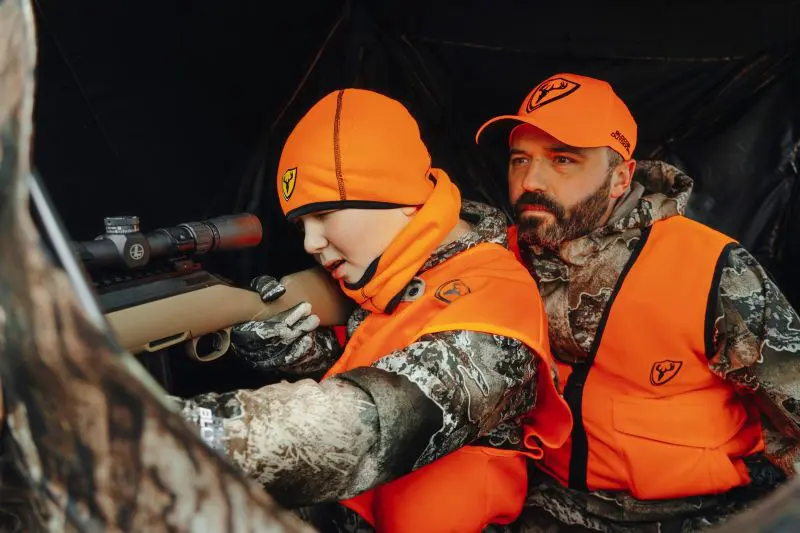
Blaze orange isn’t just for the folks toting a deer rifle, either. The deer woods are shared ground during firearm season.
I learned that lesson early. For years, I chased ruffed grouse near the Canadian border while the whitetail firearm season was open, and in Minnesota that means wearing blaze orange, same as the deer hunters. Waterfowling was no different for me. Running to and from the blind, even in a boat, I kept orange on until I was motionless in the blind. The law didn’t ask for it on the water, but when the shoreline is lined with deer stands, you don’t want to be that moving shadow at first light.
And it’s not just hunters. Hikers, birdwatchers and dog walkers all share those same woods.
In some places it’s the law. Pennsylvania requires non-hunters on state game lands to wear orange during designated hunting periods, either a fluorescent orange hat or 250 square inches of fluorescent orange on the head, chest and back, visible from all directions. In New York, the orange-or-pink rule covers anyone accompanying a firearms deer or bear hunter, not just the person with the gun. Missouri likewise requires orange for anyone accompanying an elk or black bear hunter, as well as for mentors during firearms deer season.
Even where the law doesn’t require it, wildlife agencies keep asking for it. Massachusetts, the state that started all of this, puts it plainly: “all outdoor users who are in the woods during hunting seasons should wear blaze orange clothing as a precaution.” The state suggests an orange vest or bandana for pets, too. And it’s cheap insurance. A blaze hat weighs next to nothing, a vest slips over whatever jacket you’re already wearing, and either one tells everybody in the woods exactly what you are. After all, nothing else in nature looks like it.
Blaze That Earns Its Keep
Red wool coats are hanging in barns and on wall pegs as nostalgia now. Today’s blaze has to do a lot more than stand out, though. Hunters wear it through long, cold sits in whatever late fall throws at them, so it has to keep them warm, dry and quiet, too. When it does all that, blaze stops feeling like a requirement and more like the gear you’d pick anyway.
That’s the thinking behind the Shield Drencher Insulated Jacket and Bib from Blocker, a company that has been outfitting hunters since 1998. Both pieces come in solid blaze orange, and both are built for the late-season conditions that test a hunter’s patience as much as the gear.
Rain, Sleet, Snow, Repeat
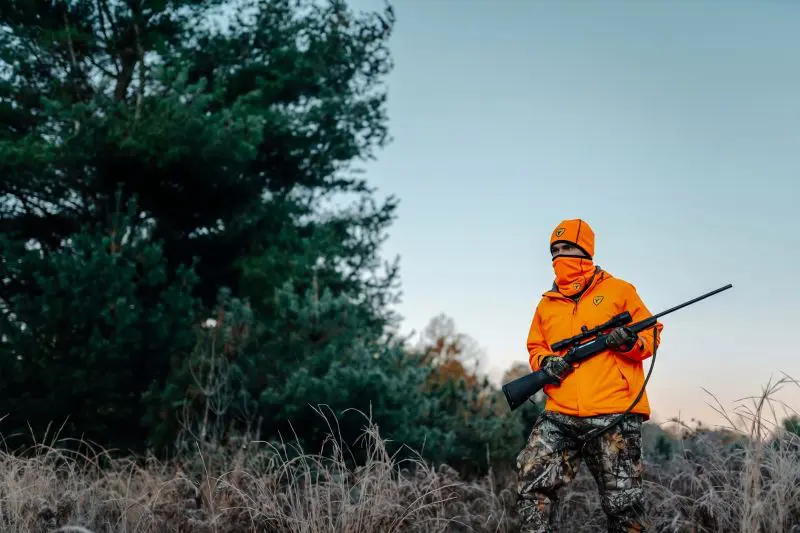
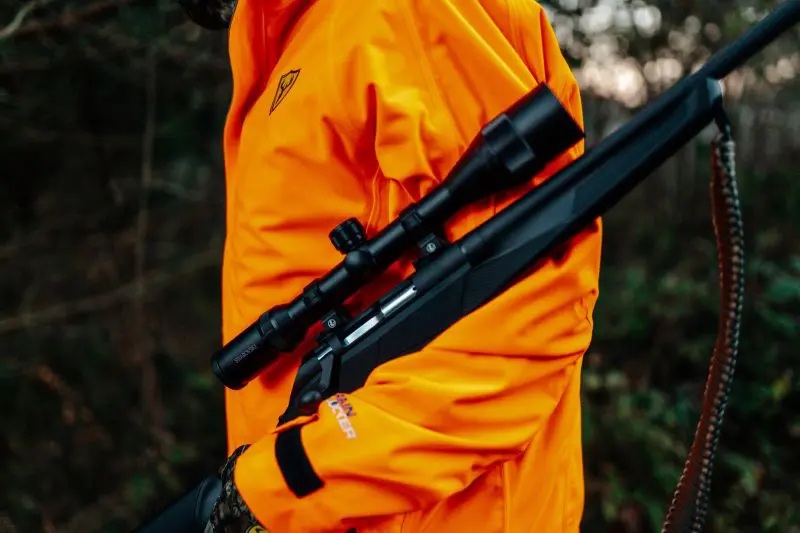
The Drencher Insulated Jacket is fully waterproof, so rain, sleet and wet snow stay on the outside where they belong. Inside, thermal-mapped insulation puts warmth where the body needs it most, without turning the jacket into a sleeping bag with sleeves. The shell is a soft brushed polyester that stays quiet when you shift in the stand or raise the rifle, and the S3 silver antimicrobial finish keeps odor from building up over a long season.
Hunters will also appreciate the small things, like a drawcord waist to seal out drafts, adjustable hook-and-loop cuffs and two snap waist pockets for shells, a call or a granola bar. The matching Drencher Insulated Bib finishes the job from the waist down with the same waterproof protection, warmth and quiet brushed fabric. Together, they turn a raw morning into one you can sit through.
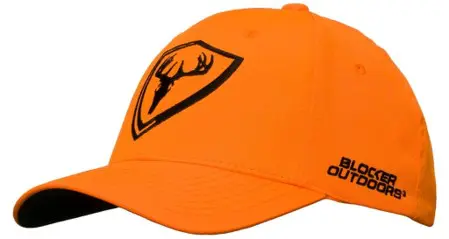
Covered, Coast to Coast Since the Drencher Insulated Jacket is solid blaze orange, not blaze camo, it covers the above-the-waist requirement in states that reject camo patterns, like Missouri and Colorado, and it clears even Colorado’s 500-square-inch minimum without a second thought. Top it off with Blocker’s Icon Hat in blaze orange, and you’ve got the clothing requirements covered in every state in this story.
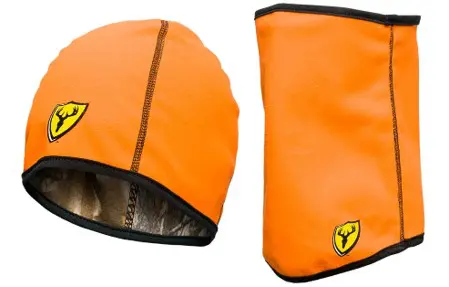
When the mercury really drops, the Fleece Heavyweight Beanie/Gaiter Combo earns a spot in the pack. Both pieces reverse from camo to blaze orange, so the same beanie and gaiter work in a bow stand in October and a rifle stand in November. The fleece is soft and quiet, and the combo packs down small enough to carry all season for the next cold snap. Just remember, it’s blaze side out during gun season.
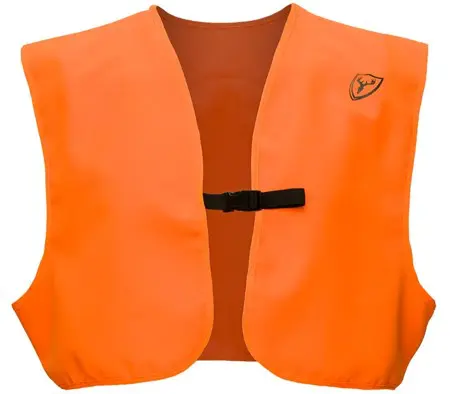
For hunters who’d rather stay in their favorite camo coat, Blocker’s fundamental Shield Blaze 3/4 Vest goes right over the top. The three-quarter-length cut slides on easily over insulated jackets and comes off just as easily, without snagging. An adjustable front buckle keeps it in place on the walk to and from the stand, and the quiet poly-blend fabric won’t give you away once you’re settled in. It’s also a mainstay for woodland and upland bird hunters.
“Blaze orange used to be something hunters put up with,” said Steve Allie, Marketing Director for NEXUS Outdoors. “With the Drencher Insulated Jacket and Bib, it’s gear they’ll actually want to wear, because it keeps them dry, warm and quiet while it keeps them safe.” Red wool had a good run, and it’ll always have a place soaking up smoke and morning bacon on the wall at deer camp. It just never kept anybody warm, dry and seen like this.