
Why Summer Food Plots Matter More Than You Think
As summer settles in, deer hunters across the country begin thinking about the fall season, spending more time scouting, checking trail cameras, and watching antlers grow beneath a layer of velvet. Even though velvet antlers and scouting are important, they may not be the most necessary thing for hunters to focus on just yet. Instead of limiting summer preparations to scouting and bow practice, consider focusing on the deer themselves. Planting food plots can improve herd health, support antler growth, and ultimately contribute to better hunting success down the road.
A well timed summer food plot can provide much needed nutrition for deer during one of the most demanding periods of the year. Bucks are growing antlers at their fastest rate, does are nursing fawns, and young deer are developing rapidly. When natural forage begins to mature or dry out, a quality food plot can become a nutritional hotspot that benefits the entire deer herd.
Why Deer Need Food Plots During the Summer
Summer is a season of growth. Bucks require large amounts of protein and minerals to support antler development. A mature buck can grow several inches of antler in a matter of weeks. Yet, that process requires quality nutrition to enhance the fall outcome.
At the same time, bucks are not the only ones needing an extra boost of nutrition during the early summer months. Does are producing milk for their newborn fawns. Lactation places tremendous stress on a doe’s body, often requiring more energy and protein than she needs during pregnancy. Without extra nutrition, both the doe and her fawn can suffer.
Many hunters make mineral and salt sites during the summer, or they supplement feed in states that allow it to help give deer a boost, yet food plots planted with high protein forage help fill nutritional gaps better than just mineral and feed sites. They provide a dependable food source when native vegetation begins to decline due to hot or dry weather. While the number one goal of summer food plots is to improve deer health, the benefits don’t stop there. Food plots can help hold deer on a property throughout the summer, allowing for the chance to inventory bucks, monitor the overall condition of the herd, and collect valuable information that can carry over into hunting season.
The Best Time to Plant Summer Food Plots
The ideal planting date varies depending on where you live, but generally speaking, late spring through early summer is the prime window for warm season food plots.
In much of the south, food plots are often planted from late April through June. Soil temperatures have warmed, rainfall is usually more predictable, and forage can establish quickly. In the Midwest, many hunters plant from May through early July, which is often the sweet spot. Planting in early summer ensures that the danger of frost has passed, and warm season crops can thrive during the hottest months, so later planting does not hurt.
Hunters in northern climates may wait until late May or June when soil temperatures consistently remain above 60 degrees. Warm season annuals can struggle if planted too early in cold soils. The key is timing planting before a forecasted rain event. Adequate moisture during germination can make the difference between a lush food plot and a disappointing field full of dried up dirt.
What to Plant During the Summer
Several forage options perform exceptionally well during the summer months. Soybeans are often considered the king of summer food plots. They provide excellent protein levels and can attract deer throughout the growing season. Large plots are generally more successful because deer browsing pressure can overwhelm small plantings. Cowpeas are another good option because they offer outstanding forage production and protein content. They establish quickly and can withstand significant browsing pressure once mature.
If you have ever planted food plots for deer, then most likely you have heard of lablab. It thrives in hot weather and produces highly nutritious forage that deer readily consume throughout the summer, making it a hunter’s favorite when planting.
Many land managers prefer blends that combine several species. These mixtures offer diversity, improve soil conditions, and provide forage throughout different stages of the growing season. Get online, research what thrives the best in your region of the country, and try it for yourself.
Don’t Wait Until Fall
One of the biggest mistakes hunters make is focusing only on fall attraction plots. While fall food plots certainly have their place, summer plots build the foundation for a healthier herd.
The nutrition deer receive during June, July, and August directly impacts antler growth, fawn development, body weights, and overall herd health. By the time hunting season arrives, much of the work has already been done. Think of summer food plots as an investment. Right now, the bucks on your property are putting the finishing touches on the antlers they’ll carry into hunting season. That’s why summer nutrition matters. By late summer, most antler growth is already complete, making it too late to significantly influence development for that year. At the same time, this year’s fawns are growing rapidly and learning the skills they’ll need to survive. Providing quality forage throughout the summer helps build a healthier deer herd today while delivering benefits that can last well into the fall and beyond.
Soil Preparation Matters
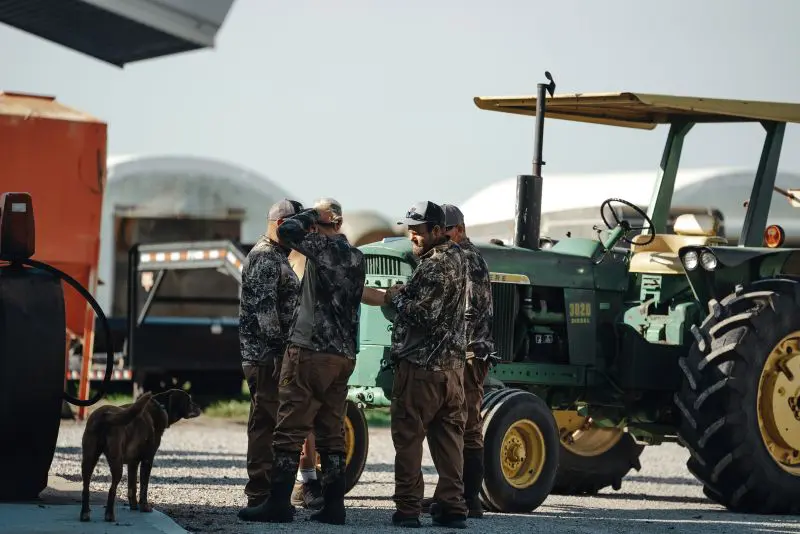
Even the best seed won’t perform well in poor soil. Before planting, conduct a soil test and follow the recommended lime and fertilizer applications. Proper pH and fertility levels help maximize forage production and ensure plants can provide the nutrition deer need.Good seed to soil contact, proper planting depth, and adequate moisture are equally important. Taking the time to prepare a plot correctly often produces better results than simply throwing more seed at the problem.
Summer food plots do much more than attract deer. They provide the nutrition bucks need to grow antlers, help does raise healthy fawns, and support overall herd health during one of the most important times of the year.
Whether you’re planting soybeans, cowpeas, lablab, or a quality forage blend, the best time to plant is typically from late spring through early summer when soil temperatures are warm and rainfall is available. By getting your food plots established now, you’ll not only help your deer herd thrive through the summer, but you’ll also set the stage for a more productive hunting season this fall.