Summer is here, and while deer season may still seem months away, now is one of the most important times of the year for serious whitetail hunters. Bucks are growing antlers, fawns are hitting the ground, and deer are settling into predictable summer patterns. While it’s tempting to spend these hot months focused on fishing, family vacations, or other outdoor pursuits, the work you put in now can have a major impact on your success this fall.
Last week, we talked about using the off season to plant food plots. Now, let’s talk about the tasks that can be done throughout the summer that will pay off this fall. The off season also provides excellent opportunities to scout properties, improve habitat, maintain equipment, check trail cameras, and develop a plan before the pressure of hunting season begins. Hunters who take advantage of the summer months often find themselves better prepared and more confident when that first cool autumn morning finally arrives.
Post Season and Spring Scouting
One of the best times to learn about a property is after deer season. Ideally, late winter and early spring, before green vegetation takes over the woods, is a great time to find sign from the previous fall that are still visible. The late season makes it easier to identify travel corridors, bedding areas, funnels, and stand locations.
Early summer mornings or late evenings when the temperatures cool down, walk ridges, creek crossings, field edges, and timber transitions looking for worn trails, old rub lines, and concentrations of old scrapes or, in some cases, new scrapes, that yes, can be found during the summer. Take notes, save waypoints on mapping apps, and begin building a plan for next fall while the evidence is still visible. Many times, bucks will hang out in the same areas, year after year. Locating them now gets you ahead of the game.
Improve Deer Habitat
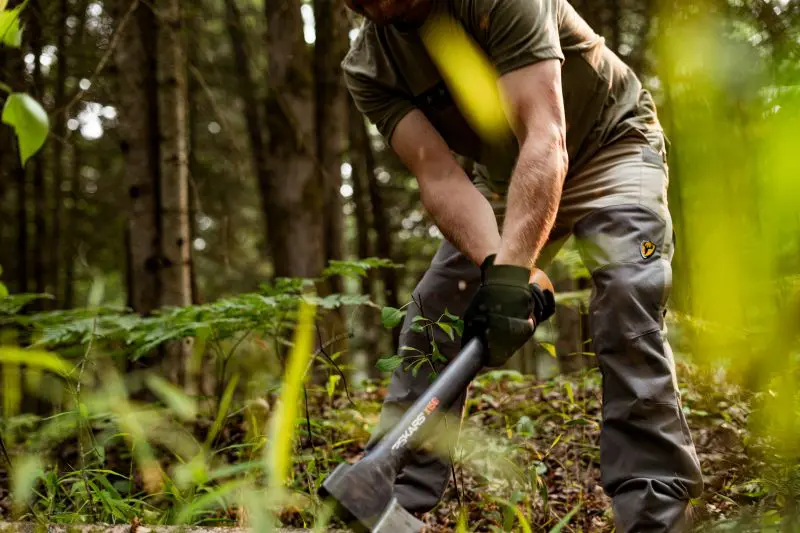
The off season is the ideal time to improve your hunting property. Small habitat projects can have a major impact on deer movement and overall herd health.
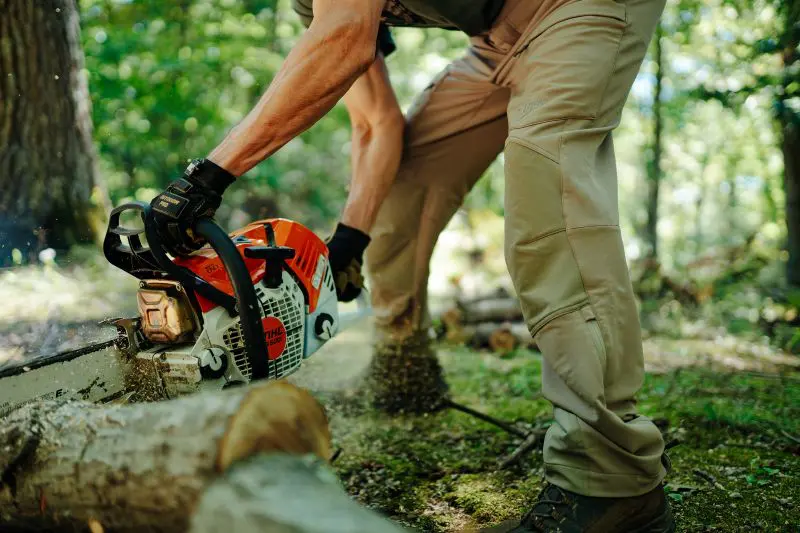
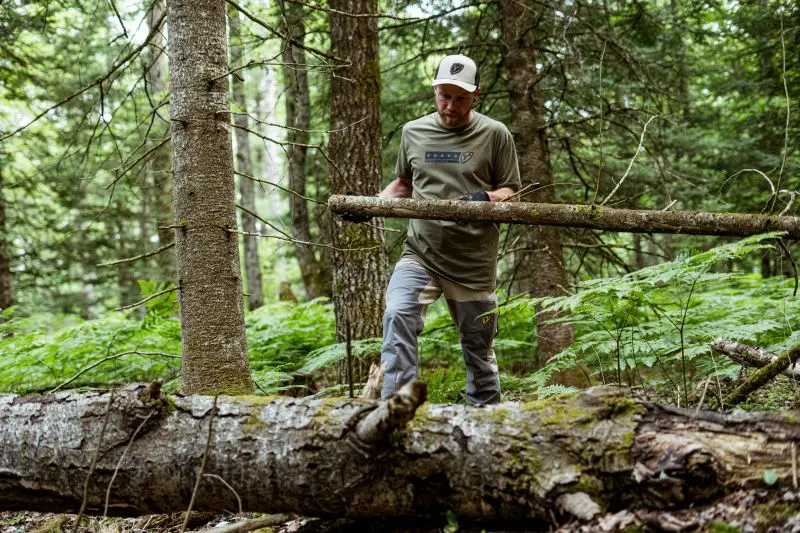
As we mentioned in the last blog, consider tasks such as creating or expanding food plots. After adding a good food source, hunters can perform hinge cuts to increase bedding cover and establish cover around new food plots and potential access routes. Improving habitat not only benefits deer but can also help make their movements more predictable during hunting season.
Maintain and Upgrade Hunting Equipment
Nothing is worse than discovering a problem with your equipment a few days before opening day. Recently, I spent a weekend at home, cleaning and organizing my garage. After turkey season comes to an end, and summer begins, my garage is a total mess. I worked for two days to help get it organized and conduct an inventory and maintenance list on my deer hunting gear as well.
Using the off season to thoroughly inspect and maintain hunting gear is a great way to replace worn tree stand straps or climbing stick straps. It can also be good to check ladder stands for rust or damage, inspect safety harnesses, and anything else that will be re-used or hanging, in just a couple of months.
The days of summer are also good to sharpen or replace broadheads, replace bow strings if needed. Not to mention, beginning a practice routine of shooting your bow as well, which I will explain in more detail later.
Taking care of equipment months before the season helps eliminate unnecessary stress when fall arrives
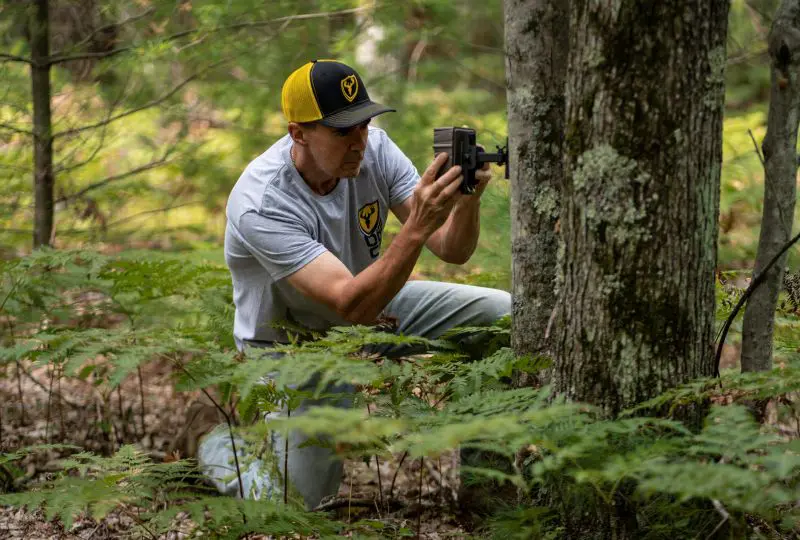
Run Trail Cameras Strategically
After getting gear back in operating order and organized, next is replacing trail camera batteries, updating software, charging solar panels, and beginning to hang cameras for summer scouting.
Trail cameras can provide valuable information throughout the off season. Summer camera surveys can help inventory bucks, estimate deer numbers, and monitor new born fawns.
Rather than simply placing cameras on random trails, focus on food sources, mineral sites (where legal), water sources, and travel routes leading to summer feeding areas. Pay attention to patterns rather than individual pictures. The goal is to learn how deer use the property throughout different seasons so you can make informed decisions when hunting season arrives.
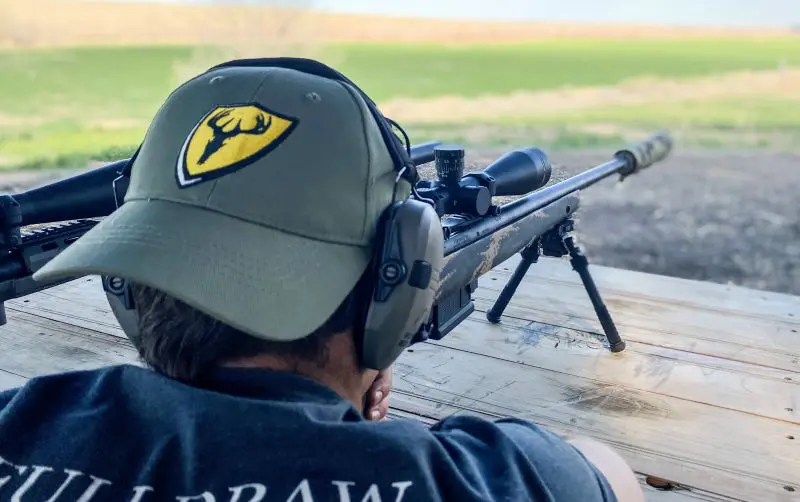
Improve Your Shooting Skills
Whether you hunt with a bow, crossbow, muzzleloader, or rifle, the off season is the ideal time to improve accuracy.
Many hunters only shoot enough to confirm their equipment is sighted in before the season. Yet, consistent practice throughout the year can dramatically increase confidence and effectiveness when a shot opportunity finally presents itself.
For bowhunters, shooting from elevated positions, while wearing hunting clothing, from awkward angles, and at realistic hunting distances, helps to get “hunt ready” better than anything else.
The goal is to make every movement and shot feel natural when a mature buck steps into range.
Get in Better Physical Condition
Many hunters underestimate how much physical fitness can impact hunting success. Better conditioning improves endurance, focus, and mobility.
Whether you’re hanging stands, carrying gear, dragging deer, or hunting large tracts of public land, being physically prepared can make a significant difference. Simple activities such as hiking, running, strength training, or rucking can help improve stamina before hunting season begins. Better fitness also allows hunters to stay comfortable and alert during long sits in the stand.
Evaluate Last Season Honestly
The summer is also a great time to think back and review what happened during the previous hunting season. Reflect on where you saw the most deer and where mature bucks consistently avoided your presence. Evaluate whether your access routes created unnecessary pressure and whether food plots produced the intended results. Compare trail camera data with actual observed movement to see how closely they align. Identify mistakes made along the way and be honest about both successes and failures, since that level of reflection often reveals the most valuable lessons for improving decisions in the next season.
Develop a Hunting Strategy
After all the work is done, it is time to make a plan for next season. Many hunters wait until opening day to decide where they will hunt. Yet, successful hunters often have multiple plans in place months ahead of time.
Use the off season to make early season stand locations, rut setups, cold front hotspots, food source hunts, and alternative locations for different wind directions. Having a strategy before the season starts allows you to hunt more efficiently and avoid making rushed decisions. Think it out over the summer, even changing some plans as the season nears if needed.
The deer season may only last a few months, but successful hunts are often the result of work completed long before the opener arrives. By scouting, improving habitat, maintaining equipment, practicing shooting, and evaluating previous seasons, hunters can enter the fall with confidence and a clear plan. While it may be tempting to put deer hunting on the back burner during the off season, those months offer some of the best opportunities to gain an advantage. The work you put in now could be the difference between simply seeing deer and filling a tag when the season finally arrives.