A sit down with Blocker Outdoors pro and nationally acclaimed turkey caller, Jason Powell
The annual National Wild Turkey Federation Convention and Sport Show will take place in Nashville, Tennessee, from February 12-14, 2026 at the Gaylord Opryland Resort and Convention Center. This year, NWTF is celebrating the organization’s 50th anniversary, and given that last year’s convention drew over 80,000 attendees, the smart money is on this year’s being the biggest one yet.
The main exhibit hall runs from Thursday to Saturday and features over 500 exhibitors and vendors – Including Blocker Outdoors showcasing hot new Finisher turkey gear.
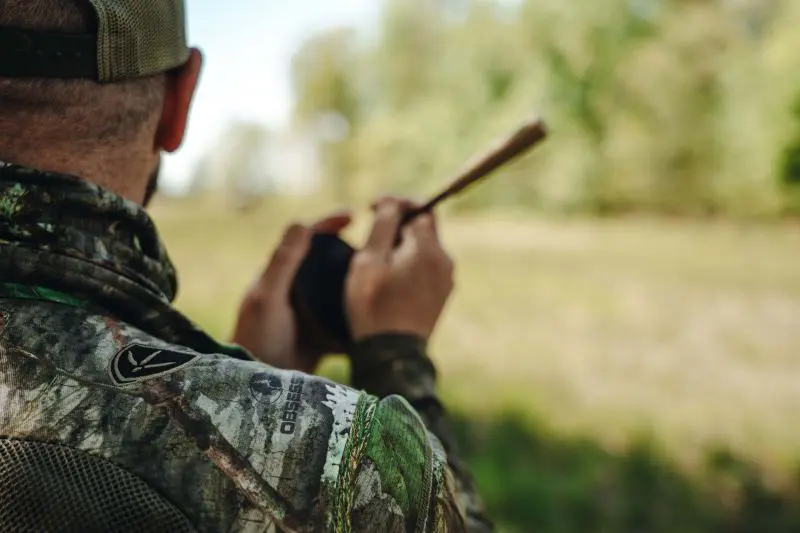
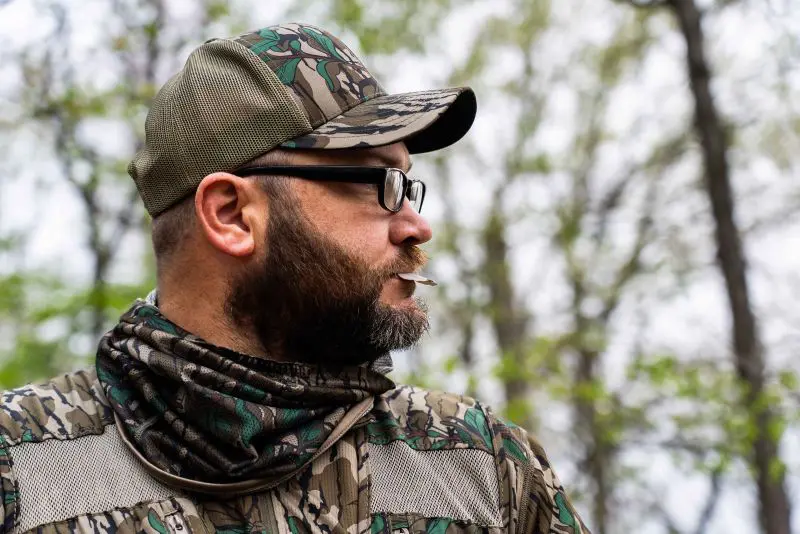
Special events such as live music and the NWTF Grand National Calling Championships sweeten the deal for attendees. This prestigious turkey calling contest always brings the best to the stage where they compete for the sport’s highest honor in competitive turkey calling – Blocker pro Jason Powell among them. It should be no surprise the best competitive turkey callers never stop practicing for their performance in the mother of all calling contests, and Powell is no different. In fact, he’s exceptional. A maestro of sorts, Powell lives and breathes turkey calls and calling 365 years a year.
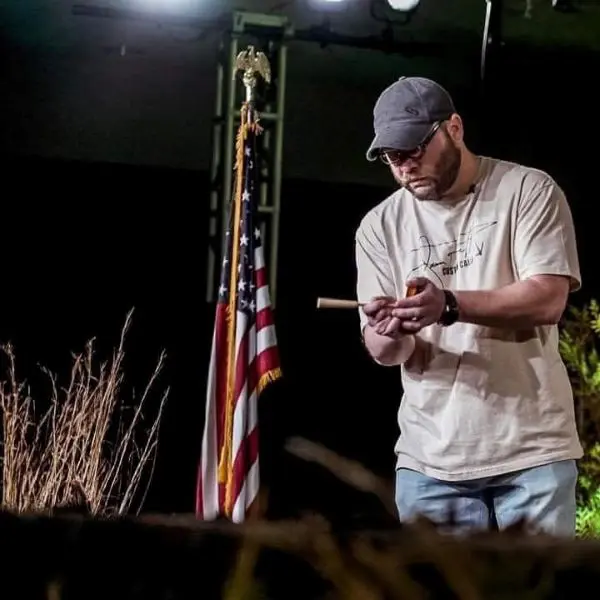
“I’ve been hunting turkey for around 30 years now and got serious about calling competitively and call making about 15 years ago. I went to my first calling contest with my little brother about 15 years ago in Eldred, PA,” explained Powell. “I’m primarily a friction call guy, and I had this pseudo vision that a certain call was going to earn me a win, but when I tried buying calls from certain people it didn’t go well. So, I figured if I was going to win in this game, I’m going to have to figure out how to build my own calls to do it.”
Powell said when he started building his own calls he became best friends with the undeniable greatest caller of all time, which elevated his calling and success. He is obsessed with perfection, and this lends well to playing on a bigger stage.
“I’ve been able to win or place in a lot of contests in several different states – I really don’t even keep track to be honest. The first wins are always cool, and I won’t forget my first contest in Michigan, but my focus has shifted to major contests and putting myself in a position to consistently win,” Powell added. So how does an avid turkey hunter make the jump into calling contests? While the process may seem daunting, recently, Powell was more than happy to answer some basic questions regarding the topic that may inspire would be competitors.
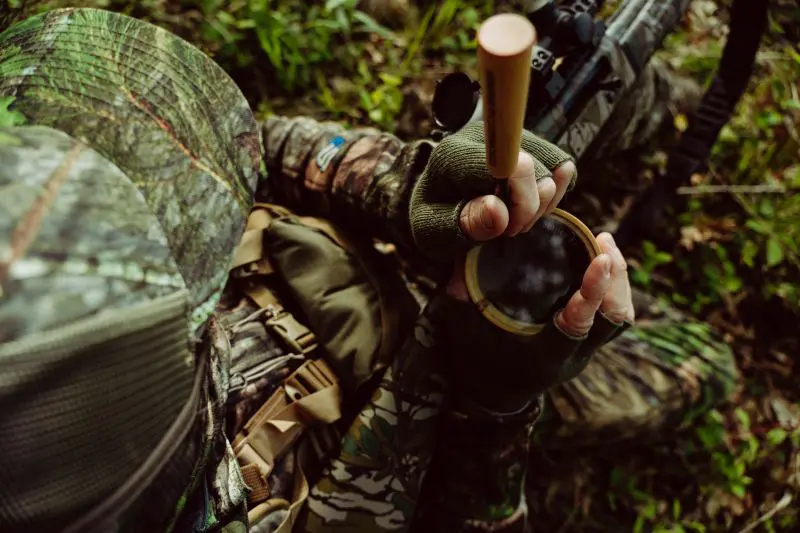
Question: Do you practice a set routine or decide the day you step on the stage?
“I don’t really have a routine at all when it comes to competition calling. I have an intense practice regimen leading up to major contests, as well as a consistent maintenance regimen between them in case I decide to go to a local contest. I never have a set routine when I get on stage. Not practicing a routine allows me to literally decide what turkey I want to be when I am on stage, and the emcee asks for a specific call.
Question: What is your favorite call and how often do you practice? “Though I do practice with other calls, I’m primarily a friction guy, and you must make your hands match what your brain processes through your ears. This takes a lot of time to create muscle memory, so to speak. I am starting to do more with air (diaphragm) in competition, and I do the same thing with those calls. Diaphragm calls take more breaking in than any other kind of call, whereas friction calls are usually just ready to rip as soon as the glue dries, and box calls break in relatively quickly.”
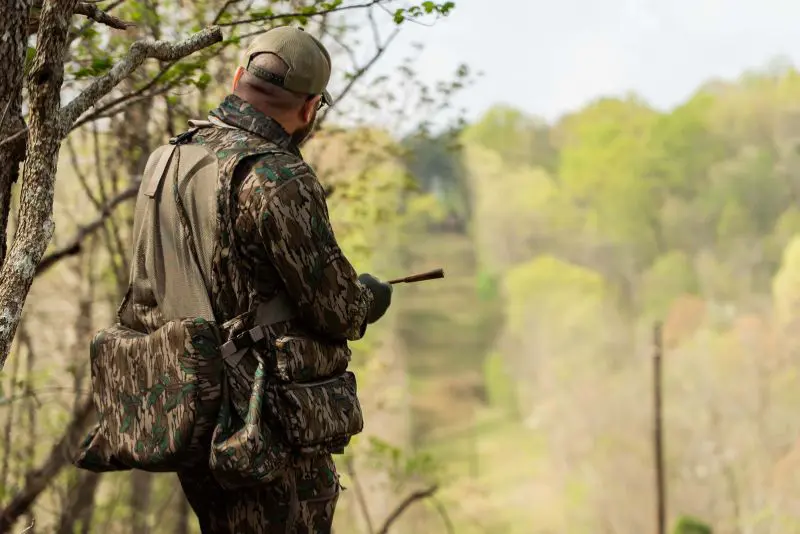
Question: How do you decide which call to use in a contest?
“As far as selecting which call for each event, friction is a bit more critical in my opinion. There are times when a call is too much or not enough for a room, and you can have an advantage by making a change. That said, oftentimes, the adjustment can be done by the caller themselves. Operating a turkey call in a way that it wasn’t designed for usually doesn’t work out well.”
Question: How often do calls wear out and how do you protect and preserve your favorites? “Calls have a service life and there are lots of things that can fail with the various styles. I’ve worn box call rails flat, or to the point where a screw or rail squeak develops and will not go away. I’ve shattered friction call soundboards and damaged the glue bonds from excessive use, though improper storage is often the culprit. Air calls are a bit different for me. When I find one I like, I take extreme measures to make sure that call lasts as long as possible and I do not hunt with it – in fact, I really don’t even practice with it. That call is strictly preserved for competition calling only. I set picks between the reeds, so they don’t get stuck together and I store them in the freezer until I use them again.”
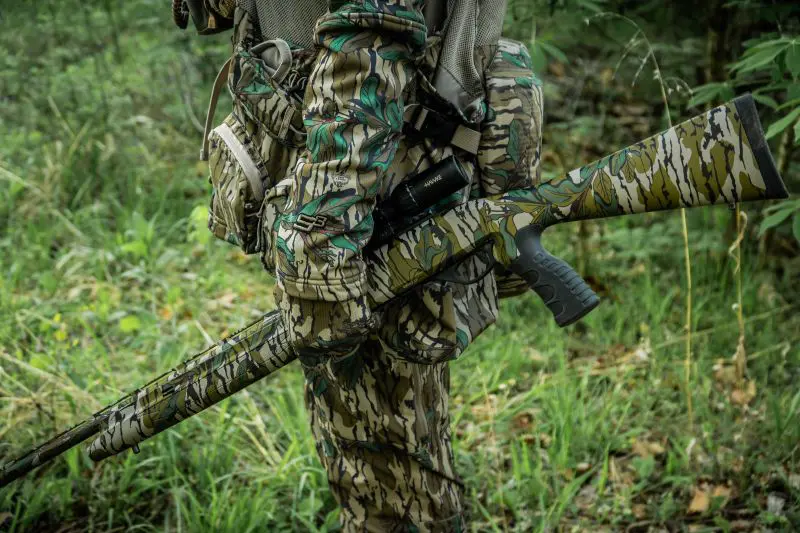
Question: So, how many calls do you go through annually?
“In a typical year of calling, I will use up several practice calls. Whether they are friction calls or diaphragm calls. During hunting season, it’s not uncommon for me to use up a half dozen diaphragm calls and a friction call or two. It all depends on how much I hunt, the conditions I hunt in, and if I properly maintain and store my calls. At the very least, I try getting my diaphragm calls in the refrigerator as soon as possible after a hunt and my friction calls in a dry place and at normal room temperature. Even with a focus on care of calls, I still use-up calls during hunting season.
Question: Can you touch on contests vs. hunting from a calling perspective?
“Calls are pretty caller specific, so whatever call a person sounds the most realistic on is the one they should use in both competition and in hunting. Though I use the same configuration of call, I always have separate calls for each situation because hunting uses and abuses calls A LOT more than competition. From a calling perspective, on stage I am going for the most accurate portrayal of a wild turkey in its natural element. I am trying to paint the picture of a 100% real turkey through sound exactly how you would hear a wild turkey go about its day, whereas while hunting I am attempting to manipulate a longbeard to come into my setup, and they are often stubborn. The conversation may be different, but the sounds are the same. Realism wins contests and will put more longbeards in your lap!
Question: Besides the focus on competing in the NWTF Grand National Calling Competition, what does the convention itself mean to you? “Out of all the shows I attend throughout the year, nothing even comes close to the NWTF convention! The location, atmosphere, and conservation efforts are put on full display. The number of things going on throughout the entire event are simply unmatched and it’s truly awesome that these amazing birds can bring nearly 100,000 people together in one place to showcase products, talents, and ultimately raise money to preserve habitat for the wild turkey for generations to come! The best of the best in the calling world will grace the stage at this event and an amazing number of manufacturers and custom call makers throughout the show, and some of the absolute best people you will ever be around in one place! It is a must for anybody that enjoys turkey hunting!”