Where to Find Whitetails When the Woods Get Crowded
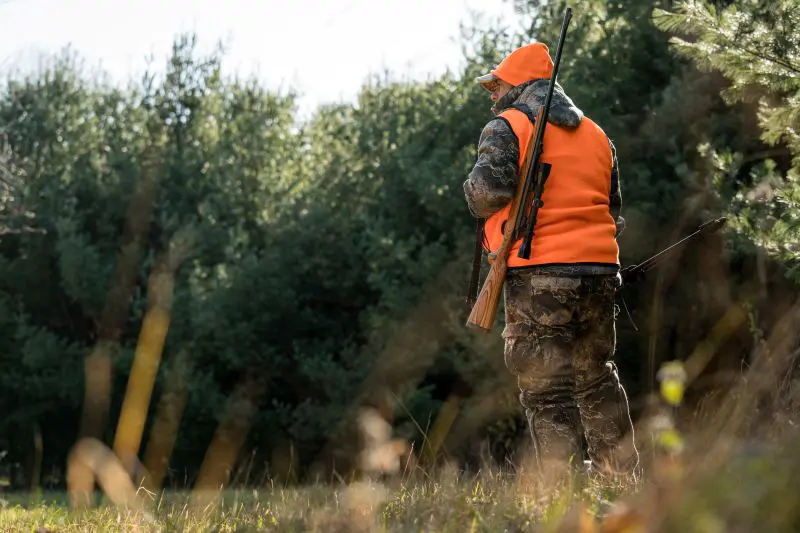
Having lived in a small rural town in southern Missouri for all 44 years of my life, I’ve come to appreciate the traditions that make small town living special. Without a doubt, one of the most cherished is the opening day of rifle deer season. For many hunters across the country, that day carries the same sense of tradition and anticipation. It’s more than just another date on the calendar. It’s a tradition passed down through generations, bringing families and friends together for a day they’ve looked forward to all year. Long before daylight, alarm clocks begin ringing, trucks pull into familiar parking spots, and hunters gather around campfires and at their own self-proclaimed deer camps. It’s a familiar scene that marks the beginning of another season and holds a special place in the hearts of those who take part in it.
Whether it’s a long standing family tradition or an annual gathering with hunting buddies, opening day brings an excitement that’s difficult to duplicate. Hunters spend months preparing, checking trail cameras, scouting properties, sighting in rifles, and planning where they’ll settle in when daylight breaks. After all that anticipation, finally climbing into a stand and watching the woods come alive is something many hunters never take for granted. But along with that excitement comes one of the biggest challenges of the season: hunting pressure. In many areas, opening day brings more hunters into the woods than any other day of the year. Familiar parking areas fill up, trucks line gravel roads, and hunters spread across private farms and public hunting grounds in search of deer. Places that held plenty of activity just days earlier can suddenly become crowded, forcing whitetails to adjust to the increased human presence. While that pressure can make deer movement less predictable, it doesn’t mean the hunting is over. Whitetails are remarkably adaptable animals, and when familiar surroundings become disturbed, they often shift into overlooked pockets of cover, change established travel routes, or seek out places other hunters are less likely to explore. Understanding those adjustments can make all the difference when trying to find deer on one of the busiest days of the hunting season.
For hunters willing to adjust their strategy, opening day pressure can create opportunities. Instead of competing for the same obvious stand locations, look for the overlooked terrain features, thick cover, and escape routes that deer are likely to use when the woods get crowded.
Look for Overlooked Security Cover
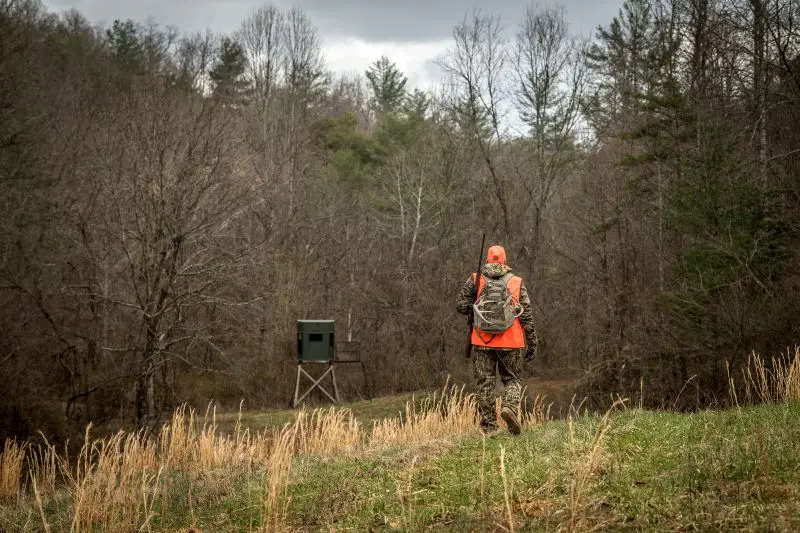
When hunting pressure increases, security becomes a priority for whitetails. Deer that have spent the early season feeding along field edges and traveling predictable trails may begin spending more time in thicker cover. Recently logged clear cuts, brushy creek bottoms, and pockets of thick timber can provide the concealment and safety deer need to feel comfortable during daylight hours. These areas are often overlooked because they may not offer the same visibility or quick access as a hunters normal stand locations. However, they can become valuable bedding and travel areas when surrounding woods receive increased hunting pressure.
Rather than focusing entirely on where deer have been feeding, consider where they are likely to retreat when hunters begin moving through the property. Setting up along the edges of these security areas can provide opportunities to intercept deer as they move between bedding cover and nearby food sources. For example, on a piece of private ground that I have hunted for many years, there is an area where deer movement increases dramatically. Lucky for me, the neighboring property is home to a group of hunters that only hunt during the rifle season. By the first afternoon of opening week, deer had already begun shifting toward thicker cover. With only one other hunter and me hunting the entire 300 acres, we had a significant advantage, leaving plenty of undisturbed ground for bucks to move through and eventually slip within gun range.
Hunt the Escape Routes
One of the biggest mistakes hunters make on opening day is overlooking the movement created by other hunters. As people begin walking into the woods, checking stands, or pushing through familiar bedding areas, deer are often forced to move.
This can create opportunities for hunters who position themselves along natural escape routes rather than sitting directly over traditional feeding or bedding areas. Saddles between ridges, creek crossings, narrow timber funnels, and connecting strips of cover can all serve as travel corridors for pressured deer. Pay attention to terrain that allows deer to move away from human activity while remaining concealed. A mature buck that may have been difficult to pattern during the early season can suddenly become more predictable when pressure forces him to use specific travel routes.
Don’t Overlook the Thickest Parts of the Property
Hunters naturally gravitate toward areas that are comfortable and easy to access. Open hardwood ridges, established trails, field edges, and convenient stand locations tend to receive the most attention. Especially when bowhunting the same areas throughout September and October. However, the thickest and hardest to get to parts of a property may offer some of the best stand or saddle hunting spots, once hunting pressure increases.
Briar patches, cedar thickets, overgrown clear-cuts, and areas with limited visibility can provide excellent daytime security for whitetails. These locations may not look particularly attractive on a map, but they can become important sanctuaries when deer begin feeling pressure. When scouting, look for small pockets of thick cover that are surrounded by more open timber or agricultural ground. Even a relatively small area can hold deer when it offers the security they need to get away from other hunters.
Adjust Your Access and Hunting Strategy
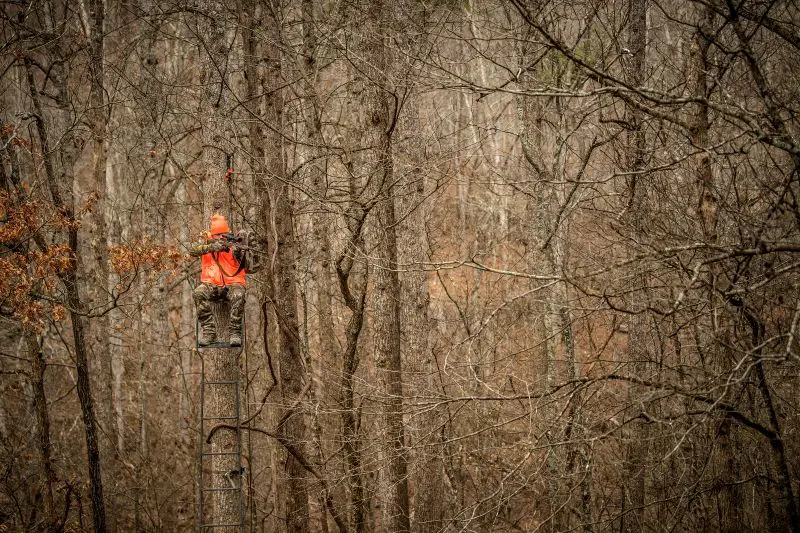
Opening day isn’t always about finding a new stand location. Sometimes, success comes from changing how you approach a familiar one. Deer quickly notice changes in their surroundings, and repeated human activity can make traditional access routes less productive. Whenever possible, approach stands using the natural way of the land. For example, creek beds, field edges, or other natural barriers that help minimize disturbance should become the new way of coming and going to your hunting spot. Wind direction should also remain a top priority, especially when areas have already received pressure in the days prior. Avoid walking through likely bedding areas or crossing major deer trails on your way to a stand. Even if a location holds plenty of deer, a poor approach can alert them before you ever get settled.
It is also vital to determine whether a morning or afternoon hunt is your best opportunity. If other hunters are likely to be entering the woods throughout the morning, positioning yourself near a natural escape route may be the best tactic. On the other hand, a quiet afternoon sit near overlooked safety cover can be really good after the woods have settled down.
Make Opening Day Work for You
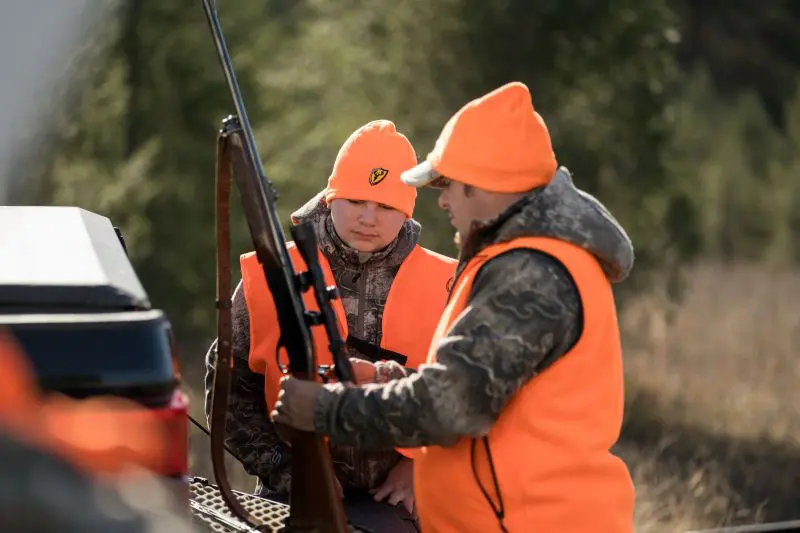
Opening day of rifle season has always been about more than harvesting a deer. It’s about carrying on traditions, spending time with family and friends, and enjoying the excitement that comes with another season in the woods. The crowded parking areas, extra trucks on the back roads, and increased hunting pressure can certainly test your patience and sometimes force you to rethink your plans. But for many hunters, those things are simply part of what makes opening day such a unique experience.
Instead of letting the increased activity discourage you, use it to your advantage. As hunting pressure builds, deer begin adjusting their movements, often seeking out places where they feel less threatened. Hunters who recognize those changes and are willing to adjust their strategies can still find opportunities. Pay close attention to thick safety cover, natural escape routes, overlooked terrain, and how you access hunting locations. Sometimes, finding a mature whitetail on opening day has less to do with being in the most popular hunting spot and more to do with figuring out where the deer will go to avoid everyone else.