Making the Most of November’s Perfect Storm
November is a month whitetail hunters look forward to all year, and for good reason. It’s when the rut begins to heat up, bucks are on the move searching for does, and deer activity can change almost overnight. In many states, November also marks the opening of rifle season, bringing another element into an already exciting time of year.
When the rut and rifle season overlap, hunters have an opportunity to capitalize on increased buck movement, but they also must contend with something that can quickly turn the woods upside down: hunting pressure. It’s a combination that can create some outstanding opportunities, but success often comes down to understanding how deer respond to changing conditions and being willing to adjust your strategy as the season unfolds.
The Timing Couldn’t Be Better
One of the biggest advantages of rifle season coinciding with the rut is the increased daylight movement that often comes with breeding activity. For me, rifle season always brings an added rush of adrenaline. Every time a doe steps into view, there’s that anticipation that a buck might be right behind her. It’s enough to keep you on the edge of your seat throughout the hunt.
Unlike September and October, when bucks tend to follow more predictable feeding and bedding patterns, November brings a different kind of movement. As the rut heats up, bucks spend less time sticking to familiar routines and more time searching for receptive does. They may cruise field edges, check doe bedding areas, work scrape lines, and travel through places they might otherwise avoid during daylight hours. For rifle hunters, this creates opportunities to encounter bucks that may have stayed hidden during the early season.
The key is understanding that bucks aren’t simply wandering. They’re moving with a purpose, and hunters who can identify where does are feeding, bedding, and traveling can often put themselves in the right position when a buck comes through looking for a mate.
Rifle Season Pressure Can Change Everything
While the timing can be excellent, rifle season also brings something that can quickly change deer movement: hunting pressure. On public land especially, opening weekend can turn quiet woods into busy hunting areas. Parking areas fill up, familiar stand locations receive more traffic, and deer quickly become aware that something has changed. That doesn’t necessarily mean mature bucks disappear. It means hunters may need to change where and how they hunt. Instead of focusing exclusively on traditional stand locations, consider overlooked pockets of cover, thick bedding areas, creek bottoms, and areas that other hunters may be reluctant to access. Sometimes the best opportunity isn’t where everyone else is hunting. It’s where everyone else is walking past.
Don’t Abandon Doe Bedding Areas
When bucks are actively searching for does, doe bedding areas become particularly important. Hunters often spend a tremendous amount of time trying to locate buck sign, but during the rut, knowing where does spend their time can be just as valuable. Mature bucks may cruise the downwind sides of bedding areas, check transition cover, and travel between groups of does throughout the day. Rather than sitting directly over bedding areas and risking blowing deer out, look for travel routes and natural funnels that allow you to intercept cruising bucks without disturbing the core area.
Be Willing to Hunt All Day
One of the biggest mistakes hunters can make during this period is assuming the best movement will happen during the first and last hours of daylight.
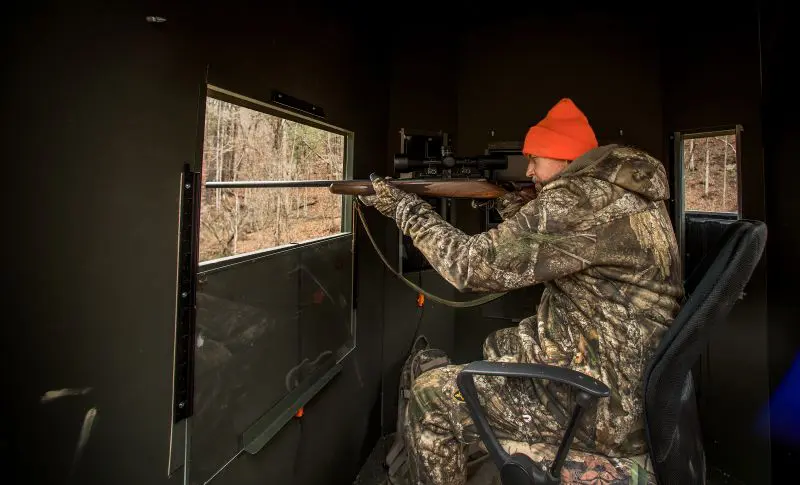
During the rut, bucks can move at almost any time of day. If you decide to climb down from the stand at 10 a.m., you might miss the opportunity of a lifetime an hour later. This is particularly important when rifle season overlaps with the peak of the rut. If the weather and your work schedule allow, consider packing a lunch, carrying extra water, and staying on stand through the middle of the day. Those midday hours can increase the chance of finding bucks cruising between groups of does.
Don’t Be Afraid to Change Locations
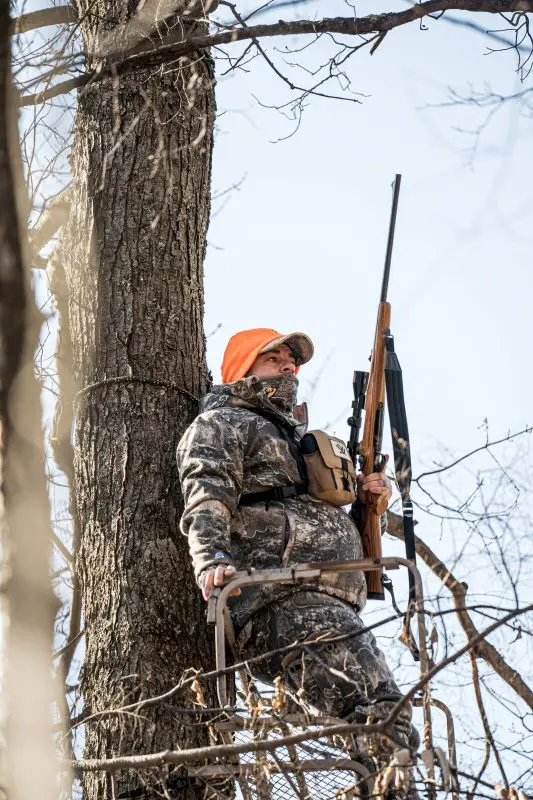
Rifle season is different from archery season. More hunters are in the woods, deer are being moved around, and familiar patterns can change quickly. Pay attention to what you see and hear. Watch for hunters entering the woods from multiple directions, deer moving through particular funnels after being pressured, and fresh tracks appearing along overlooked logging roads or other familiar travel routes. These signs can tell you a lot about how deer are responding to increased pressure. Sometimes making a move is the best decision you can make.
A flexible hunter who can recognize changing conditions and adjust accordingly may have an advantage over someone who continues sitting in the same location simply because it produced deer last season.
Remember That the Rut Doesn’t Follow the Calendar
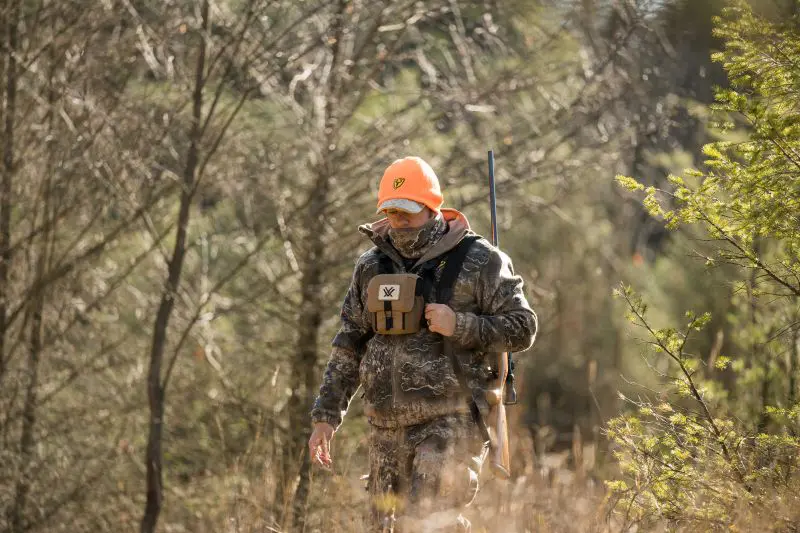
Perhaps the most important thing hunters need to remember is that the rut doesn’t operate according to opening day schedules. Rut activity can vary depending on the region, weather conditions, and hunting pressure, with individual deer behavior also playing a role in what hunters encounter in the woods. Some areas may experience increased cruising activity during rifle season, while others may already be moving out of the peak rut period. Don’t get caught up in what the calendar says deer should be doing. Instead, pay attention to what’s happening on the property or public land you’re hunting. Fresh sign, doe activity, buck sightings, and changing travel patterns will tell you much more than a date on the calendar.
That unpredictability is also part of what makes November such an exciting time to be in the deer woods. When rifle season and the rut overlap, hunters have an opportunity to experience some of the best whitetail hunting of the year. Increased buck movement, unpredictable encounters, and the possibility of seeing a deer you’ve never encountered before create an excitement that’s hard to duplicate at any other time of the season.
I’ve experienced that firsthand during several Missouri rifle seasons. In 2021, the buck I harvested was one that had only started showing up a week or two before the season opened. Last year, on the evening of opening day, a mature buck stepped out of a thick bottom that I had never seen before, either in person or on camera. I was fortunate enough to get a shot at him at 75 yards. Then, during this year’s rifle season, I harvested another buck that had only appeared a week or two earlier, while the rut was still in full swing. On the second day of the season, I caught him working along the top of a ridge, checking for hot does.
Those experiences are a good reminder that rifle season isn’t necessarily a time when I hunt harder, but rather when I hunt smarter and pay close attention to what’s happening around me. Year after year, some of my most memorable encounters have come from bucks that seemed to appear out of nowhere. You never know when a mature deer might step out, where he might show up, or what kind of opportunity the next sit might bring. That’s the unpredictability of November, and it’s a big part of what makes this time of year so special.