Summer scouting can be one of the most valuable parts of preparing for deer season, but it can also be one of the easiest ways to hurt your chances before opening day ever arrives. Many hunters believe spending more time in the woods leads to better success in the fall. In reality, every scouting trip leaves behind scent, creates disturbance, and teaches mature bucks where humans are spending time.
I learned that lesson firsthand. In recent years, I bow hunted two new pieces of public land in southern Missouri. Before ever stepping foot on the property, I spent hours studying aerial imagery and digital mapping apps, identifying likely food sources, bedding cover, water, and terrain features that could funnel deer movement. After narrowing my options, I made only a couple of summer scouting trips to verify what I had found and chose my hunting locations. When the season opened, that preparation paid off.
That success caused me to take a closer look at how I was scouting my private ground, and I realized I had been doing just the opposite. Instead of making a few purposeful trips, I was spending far too much time in the same areas, unknowingly pressuring deer and influencing their summer patterns. Since then, my goal has changed. I no longer try to learn everything about a property before the season. Instead, I focus on learning just enough to hunt a mature buck effectively while leaving the woods as undisturbed as possible. Smart summer scouting isn’t about covering every acre; it’s about gathering the right information while keeping pressure low and focusing on deer sign that will still matter on opening day.
Focus On Fall, Not Summer
One of the biggest mistakes hunters make is focusing too much on what deer are doing today instead of what they’ll be doing when hunting season arrives. Summer bachelor groups feeding in a large hay field every evening certainly make for exciting trail camera photos, but those predictable sightings and patterns often change or disappear once bucks shed their velvet, food sources shift, and hunting pressure increases. Rather than concentrating solely on where you saw a group of summer bucks or on temporary food sources, pay closer attention to landscape features that remain consistent throughout the year. Funnels, pinch points, creek crossings, ridge saddles, terrain edges, primary bedding cover, and travel routes are all locations mature bucks frequently continue using regardless of whether it is summer or fall. While food sources may shift from month to month, these natural travel corridors and terrain features often remain the backbone of a buck’s movement and can provide far more reliable stand locations when opening day arrives.
Which Summer Sign Still Matters
Not all deer sign is equally valuable during the summer. Fresh tracks along a muddy field edge may reveal where deer fed the night before, but those feeding patterns can change quickly as crops mature, food sources shift, and hunting pressure increases. Instead of chasing short lived sign, concentrate on features that remain consistent year after year. Well worn primary trails, terrain funnels, bedding points on ridges, heavily used creek crossings, historic scrape locations, and old rub lines often continue to influence deer movement season after season.
A weathered rub from the previous fall may not look impressive in the middle of July, but it can mark a travel route that mature bucks revisit every autumn. The same is true for old scrape locations. Although they may appear inactive throughout the summer, many become active again as the pre-rut approaches. Identifying these long term signposts during the offseason provides valuable insight into where deer are most likely to travel once hunting season arrives.
Scout From the Outside First
Before stepping into the woods, gather as much information as possible from a distance. As I mentioned earlier, e-scouting played a major role in my preparation for hunting new public land, but I realized I wasn’t applying that same strategy to the private property I had hunted for years. No matter how familiar we become with a piece of ground, there is always something new to learn. Studying aerial imagery and digital mapping apps can reveal important details about terrain, bedding cover, travel routes, water sources, and potential movement corridors before ever disturbing the property.
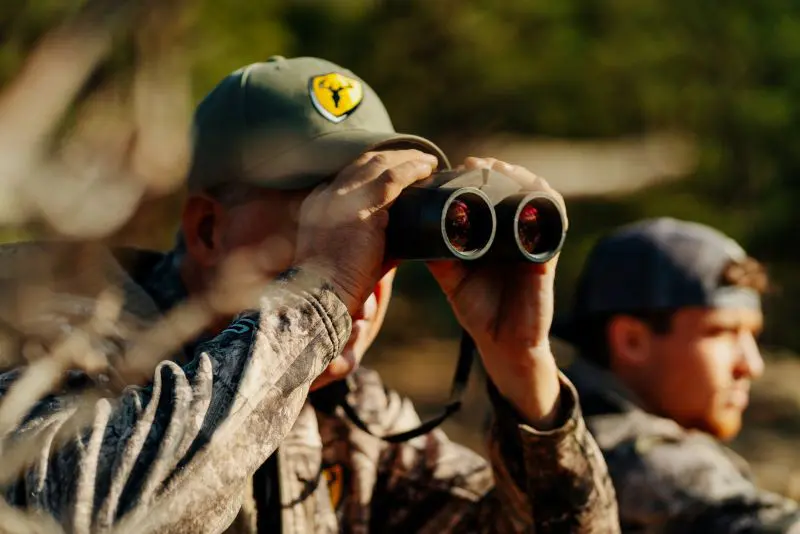
Technology isn’t the only way to scout from a distance. Glassing fields during the final hour of daylight is another effective method for gathering information without setting foot in areas deer are using. Watching bachelor groups enter food sources can provide valuable insight into deer numbers, patterns, and potential target bucks while keeping human pressure to a minimum.
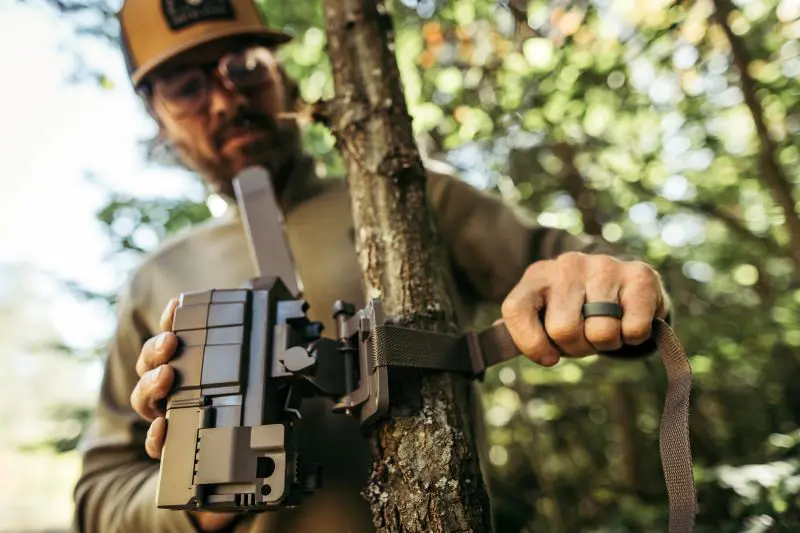
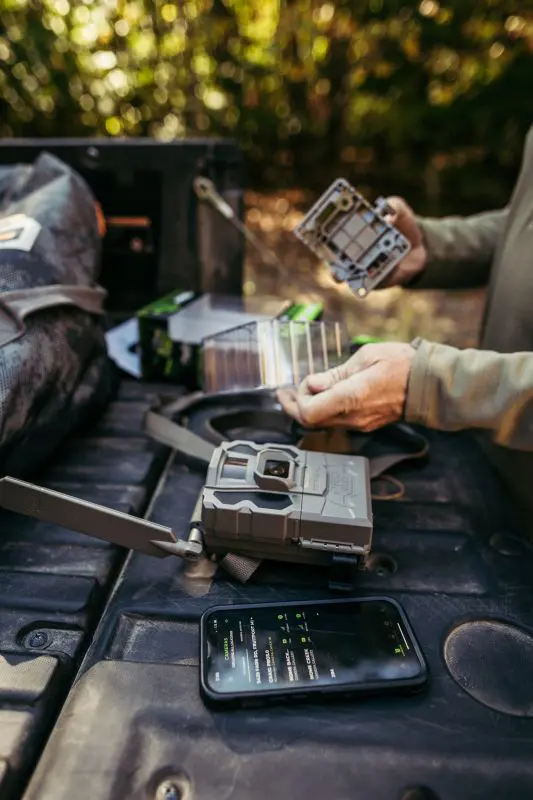
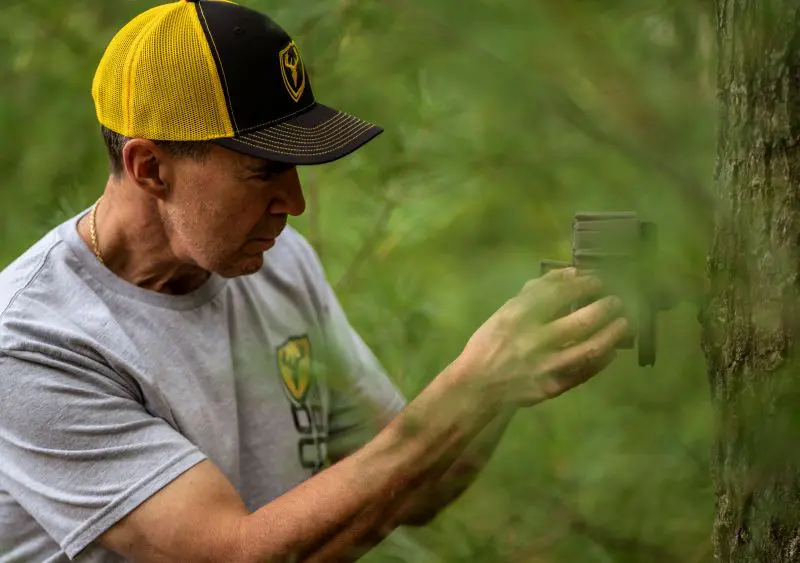
Trail cameras can also be a valuable scouting tool when used strategically. Placing cameras along field edges, food sources, or access routes allows hunters to collect information without repeatedly walking through bedding areas or high traffic zones. Cellular cameras are especially useful during the summer months because they allow hunters to monitor deer activity from home, work, or anywhere else without creating unnecessary disturbance.
One of the biggest advantages of scouting from the outside in is protecting bedding areas. Finding the exact location where a mature buck beds can be exciting, but entering that sanctuary repeatedly can do more harm than good. Summer bucks may tolerate more human intrusion than they will once October arrives, but consistent pressure can still teach mature deer which areas are unsafe.
Unless you are preparing for a carefully planned early season hunt, resist the urge to push deep into bedding cover. Instead, use terrain features, vegetation, prevailing winds, and aerial imagery to identify likely bedding locations. Save those areas for when it matters most, and only confirm your assumptions during the season when necessary.
Scout Midday During Hot Weather
If you must enter the woods to complete your scouting plans or goals, remember, timing matters.
Midday scouting during hot weather stinks and can sometimes be miserable. However, it is generally less disruptive than the morning or evening when deer are naturally moving between bedding and feeding areas. Move slowly, keep noise to a minimum, and avoid wandering around with no destination planned. Have a specific objective before stepping onto the property and once that objective is complete, leave.
How Many Times Should You Scout Before Hunting?
There’s no magic number, but less is usually more. For most properties, one to three quality scouting trips during the summer are enough.
A good approach looks something like this:
First trip: Learn the property boundaries, identify major terrain features, locate access routes, and verify certain areas that you found while e-scouting.
Second trip: Hang trail cameras, confirm travel corridors, and locate old sign from last fall.
Third trip (optional): Pull camera cards or, if using cellular cameras, change batteries, and make final stand decisions.
If you already understand the property, you may only need a single trip before the season. Remember, every unnecessary visit increases human pressure. The best hunters often spend more time studying maps than walking the woods.
Leave With a Hunting Plan
Summer scouting shouldn’t be measured by the number of trail camera photos collected or the number of waypoints saved on a mapping app. The true measure of successful scouting is whether it answers the questions that matter when hunting season arrives.
By the end of your summer preparation, you should have a clear plan for where you will park, how you will access your stand, which wind conditions are favorable, where deer are most likely to travel, and when a property should simply be left alone. If those questions remain unanswered after multiple scouting trips, another walk through the woods may not provide the solution. It may only add more pressure.
The hunters who consistently find success on mature bucks are not always the ones who scout the most; they are the ones who scout with a purpose. Every trip into the woods leaves behind evidence of human presence, and mature deer often recognize that pressure long before opening day arrives. By focusing on permanent terrain features, historical deer sign, and low impact scouting strategies, you can gather the information needed to make better decisions in the fall while keeping the property as natural and undisturbed as possible.