For many deer hunters, August is when deer season starts to feel real. Velvet bucks begin appearing on trail cameras, hunting videos suddenly become must watch content, and social media fills with photos, gear talk, and opening day countdowns. After months of waiting, the season is finally within reach.
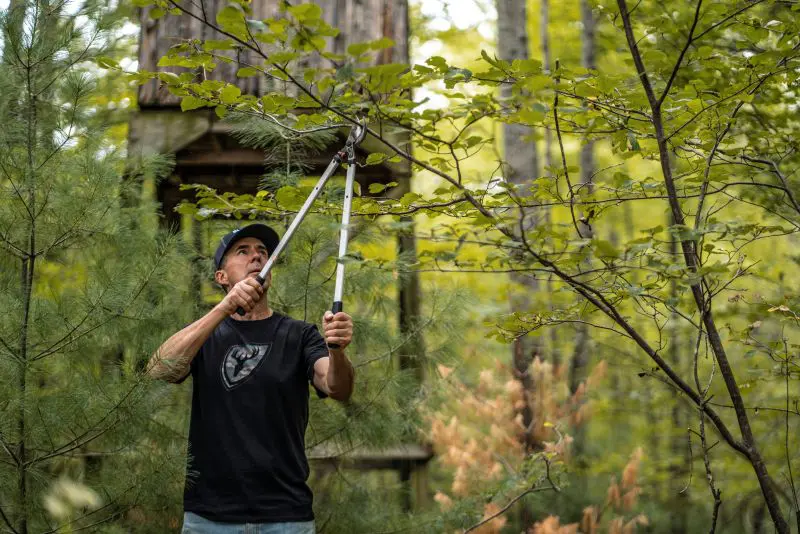
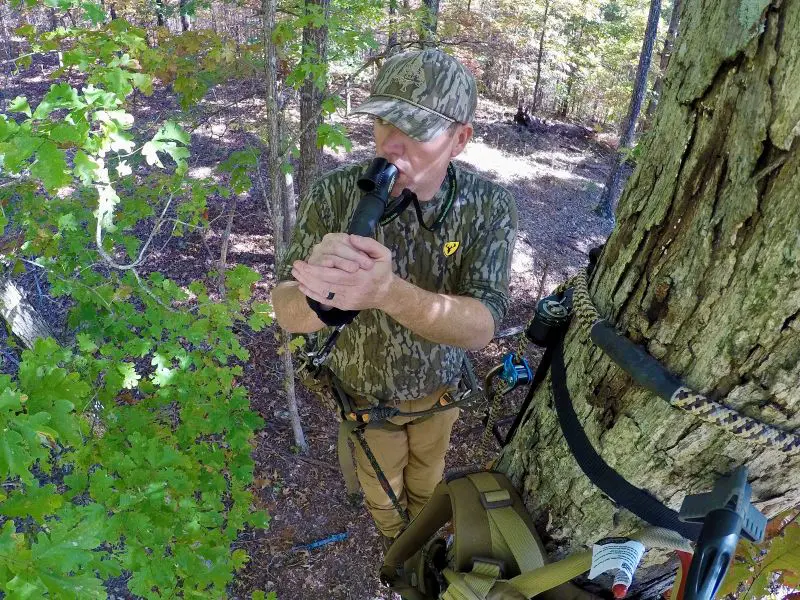
While much of the attention is focused on scouting and watching deer, late summer also offers one of the best opportunities of the year to prepare your hunting locations. Hanging tree stands, setting blinds, or choosing saddle hunting trees now allows you to get into position before opening day while deer are still following predictable late summer patterns.
By August, many bucks have settled into consistent routines centered around green food sources, bedding cover, and the travel routes connecting the two. If you can identify those patterns and get your setup in place before the season opens, you’ll be ready when the time comes. The key, however, is balancing preparation with pressure. There’s a big difference between making one well planned trip to hang a stand and repeatedly walking through the woods, educating the very buck you’re hoping to hunt.
Why August Makes Sense
One of the biggest advantages of hanging stands in August is that deer are often following some of their most predictable patterns of the year. Bucks typically establish consistent routines between bedding areas and summer food sources, making it easier to identify travel routes. Crop fields, food plots, early dropping acorns, and other abundant food sources can all create dependable evening movement.
That said, don’t expect those patterns to remain unchanged throughout the season. As food sources shift, crops are harvested, temperatures cool, and the rut approaches, deer movement can change dramatically. That’s often when hunters become frustrated after discovering the stand they hung in August is no longer in the ideal location.
Rather than viewing August as the time to lock in your setups for the entire season, think of it as the opportunity to build a strong foundation. By identifying promising stand locations, trimming shooting lanes, and planning quiet access routes now, you’ll be far better prepared to make small adjustments as deer patterns evolve instead of scrambling to figure everything out on opening morning.
The Biggest Advantage: You’re Not Hanging Stands During Season
Anyone who has hunted a mature buck knows that pressure matters. Hanging a stand requires more than simply climbing a tree. You’re walking into the woods, carrying equipment, cutting shooting lanes, trimming branches, moving through the woods, and potentially leaving human scent throughout the area. Doing that in August gives the woods weeks to settle back down before you hunt. It doesn’t mean a mature buck won’t notice your sudden presence; he might. But there’s a big difference between making one carefully planned visit in August and walking into the same area repeatedly during October trying to get your stand perfect. The less you have to do once deer season arrives, the better.
Don’t Let Trail Cameras Make You Overconfident
August trail camera pictures can be extremely helpful. But they can also get hunters into trouble. A big buck showing up every evening at 7:30 p.m. can make you want to hang a stand directly over the trail he’s using. That’s not necessarily the best move. Instead, ask yourself why the buck is there, where he is bedding, and where he is coming from. Pay close attention to the food source a buck is using most consistently and how different wind conditions influence his movement. Equally important is selecting a stand location that allows you to access it without walking through the very area you expect deer to use. A trail camera should be used to help you understand how deer are using a property, not simply to tell you where to hang a stand.
Hunt the Wind, Not Just the Buck
One of the biggest mistakes hunters make when hanging stands in August is choosing a location based solely on deer movement. Just because a mature buck is consistently using a trail doesn’t automatically make it the best place to hang a stand.
Wind direction should be part of the decision from the very beginning. It’s easy to overlook the wind in the middle of August when temperatures are high, and you’re focused on getting your stands hung and getting back to the air conditioning. But failing to consider how the wind will affect your hunt can turn an otherwise perfect setup into a wasted opportunity.
As you choose a stand location, think about how the prevailing wind will carry your scent in relation to the deer’s expected travel route and nearby bedding areas. Terrain, thermals, and changing wind conditions throughout the day should also factor into your decision. A stand that only works with one specific wind isn’t necessarily a bad stand, but one that remains huntable under several favorable wind directions will usually provide far more opportunities over the course of the season.
Think About Access Before You Hang
Wind is one of the most important factors in selecting a stand location, but a close second is how you’ll access it without alerting deer. The best stand in the woods won’t do you much good if getting there requires deer to see, smell, or hear you before you ever climb the tree.
A stand may be perfectly positioned for deer movement, yet be completely wrong if reaching it means walking through a bedding area, crossing a primary food source, or repeatedly intersecting major deer trails. That’s why your access and exit routes should be part of the stand selection process from the very beginning, not an afterthought.
Take advantage of terrain that naturally hides your movement. Creeks, ditches, ridges, field edges, and thick vegetation can all provide concealed travel routes that help you slip in and out undetected. Sometimes the best tree isn’t the one with the most sign; it’s the one that allows you to hunt the area without educating the deer you’re after.
August Isn’t the Time to Keep Checking
Perhaps the most important part of the equation is knowing when to stop scouting. Once your stand is hung, shooting lanes are trimmed, and cameras are positioned, ask yourself if there’s really a reason to keep walking into the property. If you’ve already learned what you need to know, leave it alone.
Leaving an area alone or free of pressure is key. This is especially important when hunting mature bucks. The goal isn’t to get the most trail camera pictures possible. The goal is plain and simple: put an arrow through a buck this season!
What About Public Land Or Saddle Hunting
August can be particularly valuable for public land hunters. Getting stands and mobile hunting equipment ready early allows you to learn the terrain before other hunters arrive. But public land comes with an important caveat: know the regulations.
While hanging stands in August works well for many hunters, it isn’t always an option. Regulations regarding permanent stands, climbing sticks, blinds, and other equipment left unattended vary by state, public land agency, and individual property. Even where it’s legal, leaving equipment in the woods for weeks or months increases the risk of theft.
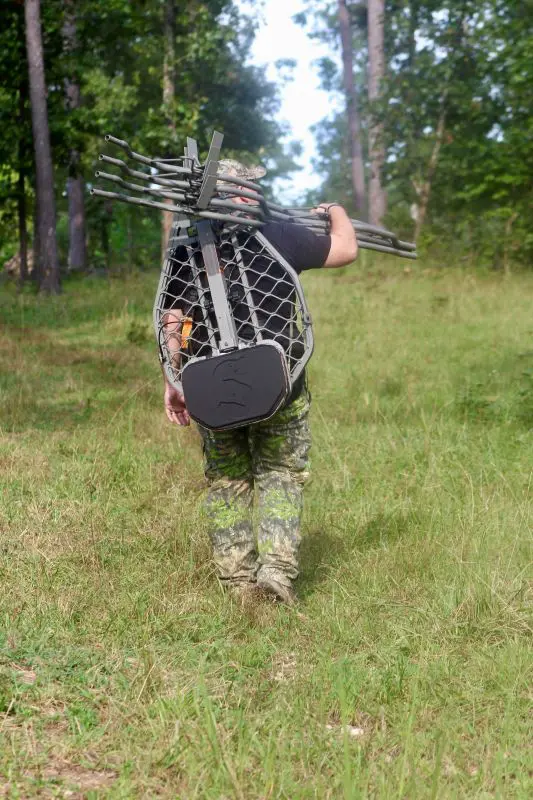
Saddle hunters face a similar challenge. Since most saddle setups are carried in and out each hunt, there isn’t a stand to leave behind before the season opens. Fortunately, a GPS hunting app can provide many of the same advantages without leaving any gear in the woods.
Whether you hunt public land or from a saddle, use late summer to identify the exact tree or location you plan to hunt, then mark it with a waypoint. While you’re there, map your entry and exit routes, parking locations, creek crossings, or any other key landmarks. When opening day arrives, you’ll already have a plan in place and can navigate directly to your setup with minimal disturbance to the area.
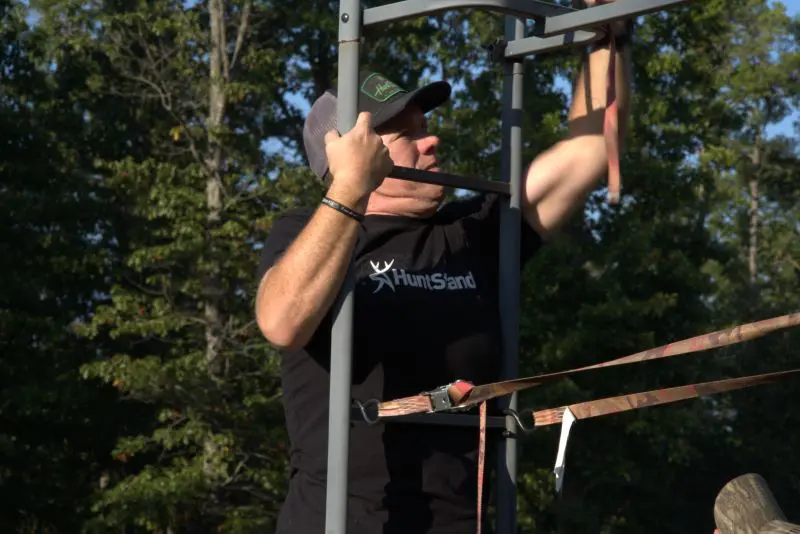
Should You Hang Every Stand in August
Some stand locations are better left for later. If you’re hunting an early season food source that is likely to change before opening day, you may want to wait until you’re closer to the season. Likewise, rut stands are often based on different factors than early season stands.
Funnels, pinch points, scrapes, and rut travel corridors may become more attractive later in the year. That’s why I like to think of August as the time to build your foundation, or a starting point, rather than trying to predict the entire season. Get your early season locations ready, identify your best rut locations, find access routes, then leave yourself some flexibility to make adjustments when conditions change.
The Bottom Line
August may be one of the best times of the year to prepare your deer hunting setups, but the true advantage isn’t simply having a stand hanging before opening day. The real benefit comes from eliminating unnecessary decisions once the season begins. Use late summer to study deer patterns, identify potential stand locations, plan low impact access routes, and fine tune your equipment. Then, when opening day finally arrives, you can spend less time trying to figure out where deer are and more time focused on hunting them. The hunters who consistently find success are often the ones who put in the work before the season begins. Do your homework in August, and you’ll enter the fall with a plan instead of spending the season chasing answers.