Few things get an elk hunter’s heart pumping like the sound of a big bull bugling somewhere in the distance. In September, that sound can seem almost constant, echoing through the mountains from one ridge to the next. But turning a distant bugle into a close encounter takes more than knowing how to blow an elk call. It starts with understanding why elk are calling, what they’re saying, and knowing when it’s best to answer.
To better understand how hunters should approach elk calling during September and October, I recently sat down with a good friend and veteran elk hunter who has spent years chasing elk across public land. Each year when he returns to our home in the Ozarks of Missouri, he brings stories of close encounters and successful hunts that only fuel my desire to pursue elk myself. If I’m lucky, he also brings along some delicious elk meat for my family to enjoy.
Years ago, when I worked for a popular game call manufacturer, I shared some elk calls with my friend. After teaching myself the basics of using them, I began picking his brain about when to call, why to call, and what the different elk sounds actually mean. Over the years, his advice has remained simple and consistent: listen first, call with a purpose, and then let the elk dictate what happens next.
September Is the Time to Get Aggressive
September is when elk calling can really come alive. With the rut underway, bulls are competing for cows, cows are communicating with each other, and elk are generally more vocal. According to my veteran caller friend I interviewed, that makes September an excellent time to use calling to locate elk and determine how they’re using the country.
“Don’t be in a hurry to start calling,” he explained. “Get into an area before daylight and listen; sometimes the best information you’re going to get all day is that first bugle.” Once a bull reveals his location, the temptation is to immediately start moving toward him. That’s where hunters can get themselves into trouble. Instead, take a few minutes to study the situation. He has often shared how throughout the night, bulls will be bugling in the distance. “I have often laid in bed listening to the bulls bugle, trying to figure out in my head where they are going, and how I can get to them the next morning.” Determine the distance, terrain, wind, and possible travel routes before making a move. If the bull is with cows, pay attention to where the herd is located and where they’re likely headed. Then plan your calling techniques.
Let the Bull Tell You How to Call
One of the biggest points he stressed was not getting locked into a predetermined calling sequence. “Every elk is different,” he said. “If you call and he immediately responds and starts coming, there’s no reason to keep screaming at him.” That can be difficult for an excited hunter to understand. After all, hearing a bull answer your call is an adrenaline rush. But once the bull is moving your direction, too much calling may do more harm than good. Listen to his responses and watch his behavior. If he answers but doesn’t move, another call may be beneficial. If he’s coming, let him come. The goal isn’t to have a conversation with the bull all morning. The goal is to get him within bow range.
Don’t Ignore Cow Calls
Again, like a spring tom gobbling, an aggressive bull bugle gets all of the attention during the breeding season, which for elk is September. However, cow calls can be just as useful.
When visiting with my elk hunting buddy, he conveyed that he frequently uses cow sounds when a bull isn’t responding aggressively to a challenge bugle. “Sometimes that bull doesn’t care about fighting you,” he explained. “But he may care about where that cow is.” A series of realistic cow calls can give a bull a reason to investigate without challenging his dominance.
Cow calls can also be useful when trying to pull a bull away from a larger herd or enticing him to change direction. The important thing is to avoid turning the situation into a calling contest instead of focusing on bringing him into close shooting range.
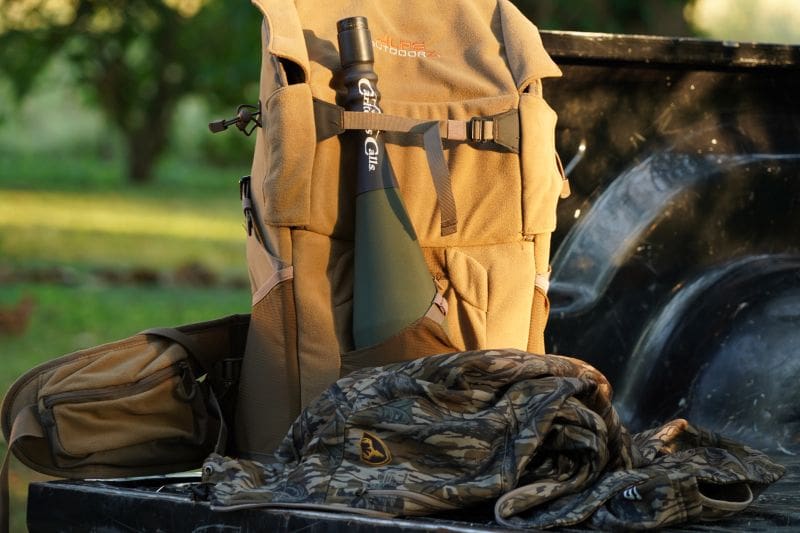
Use the Terrain Before You Use the Call
Public land elk country can be enormous, and that makes understanding terrain especially important. Rather than simply chasing a bugle, the veteran caller recommends figuring out where the elk wants to go. Look for saddles, benches, creek bottoms, timbered fingers, and other natural travel corridors. If you can position yourself between a bull and where he wants to travel, calling can help bring the elk to you. “Don’t always think you have to go to the elk,” he said. “Sometimes it’s better to get where you think he’s going and let him come to you.” That strategy can also reduce the amount of ground you have to cover and help protect your wind.
October Requires a Different Approach
As September fades into October, elk behavior can change drastically. The peak of the rut has passed in many areas, hunting pressure has increased, and elk may become less vocal. Instead of expecting a response every time you call, he says that hunters should be prepared to slow down.
October is when you really have to start hunting elk instead of hunting bugles. That means paying close attention to fresh tracks, droppings, rubs, wallows, bedding areas, and feeding locations. If the elk aren’t talking, sign can tell you where they are, and you can keep hunting.
Don’t Call Just Because You Can
One of his best tips was against excessive calling. Public land elk can hear plenty of elk calls throughout September and October, particularly in popular hunting areas. Repeated calling from the same location can eventually make a hunter’s presence obvious. “Have a reason for every call,” he said. Before making a call, have a specific purpose in mind. Whether you’re trying to locate a bull, get a response, bring a bull closer, or simply stop him long enough to make a shot, every call should have a reason behind it. If you don’t have a clear purpose, there may be no reason to call at all. That advice becomes even more important when hunting pressured public land, where unnecessary calling can educate bulls and make an already challenging hunt even tougher.
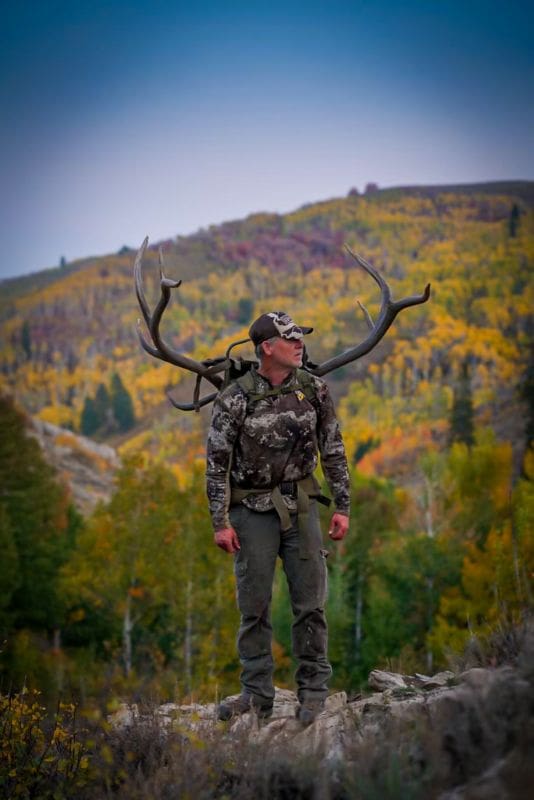
Never Forget the Wind
No matter how good the calling sounds, the wind still determines whether an elk is likely to reach you. When sharing his tips, my friend stated to consider wind direction before making a move on a responding bull. A hunter may have a bull screaming 100 yards away, but if the wind is blowing directly from the hunter toward the elk, the encounter can be over before the bull ever gets close. Calling doesn’t beat a bad wind; you still have to hunt the wind. That may mean taking a longer route to get into position or abandoning your initial plan altogether. It’s frustrating, but educating elk you’ve spent hours locating is far worse.
When the Bull Goes Quiet
Another important lesson is learning not to panic when a responding bull suddenly goes silent. Hunters often assume a silent bull has lost interest or moved away. But that’s not necessarily the case. A bull may have stopped bugling because he’s moving closer. “In thick timber, when that bull shuts up, I’d rather be quiet and listen than start blowing on the call again,” he explained.
Listen for footsteps, breaking branches, cow sounds, or other indications that the elk is approaching. That final stretch can be the most exciting, and the most dangerous part of the hunt.
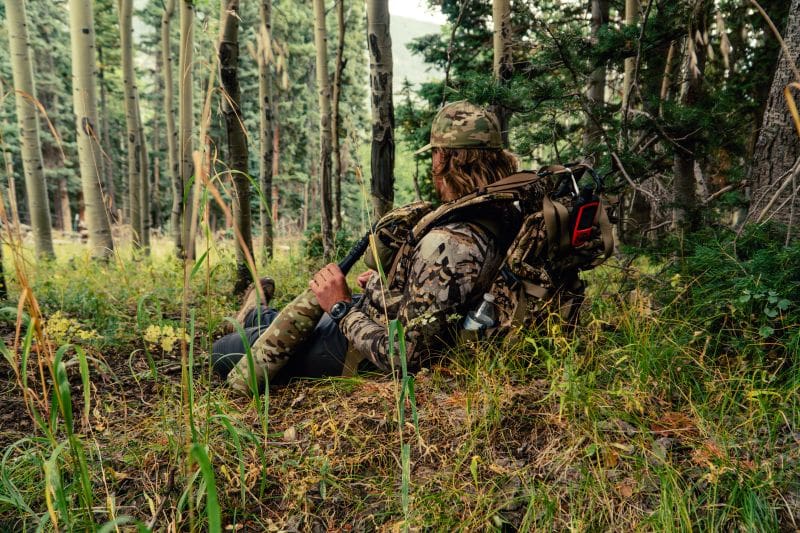
Sometimes the Best Call Is No Call
Calling is a tool, not a requirement, and that may be the biggest takeaway from my conversation with this veteran elk caller. There will be times when aggressive calling is exactly what a hunter needs. Other times, a single cow call may be enough. And there will be situations when the smartest thing a hunter can do is put the call away and listen.
September gives public land hunters opportunities to take advantage of the rut and aggressive bulls. October often demands more patience as elk behavior changes and hunting pressure builds. The key is adapting to the elk instead of forcing them into a calling strategy. The elk will usually tell you what they want; you just have to listen.