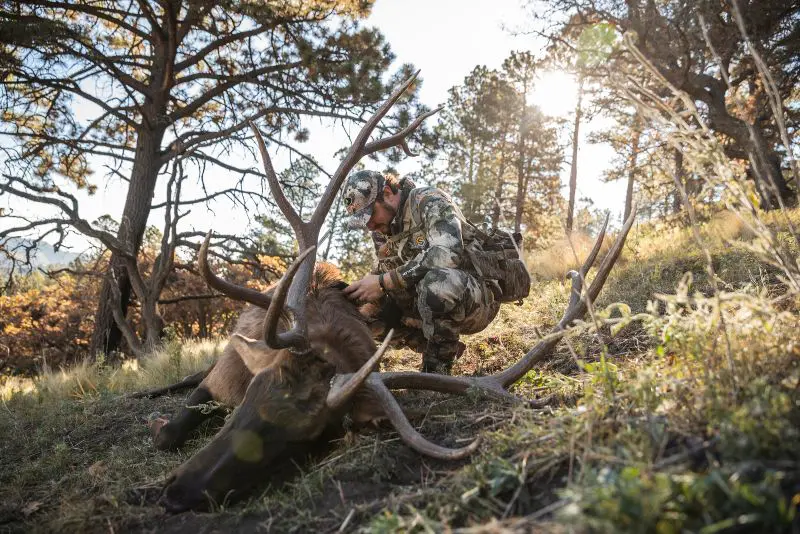
For many hunters, scent control has always been a key part of whitetail hunting. From washing clothes in scent free detergent and storing gear away from household odors to paying close attention to the wind and wearing scentcontrol clothing, deer hunters go to great lengths to keep their presence hidden.
That same attention to scent can be just as important in the elk woods. There’s nothing worse than hiking up a mountainside, getting into position, letting out a soft cow call, and hearing the crashing of a big bull disappearing through the timber because he caught your scent. Elk rely heavily on their sense of smell to detect danger, and one wrong wind can quickly turn a close encounter into a missed opportunity.
The good news is that elk hunters don’t need to reinvent the wheel. The same scent control strategies whitetail hunters have relied on for years can be carried into the mountains. By managing odors before leaving camp and continuing those efforts throughout the hunt, you can eliminate one more way an elk can detect your presence and give yourself a better chance of getting within range.
Start With Clean Hunting Clothes
Scent control starts long before you hike into the elk woods. It actually starts in your laundry room at home, days before hunting. One of the easiest mistakes hunters make is washing hunting clothes with the same detergent they use for everyday clothing. Regular detergents, fabric softeners, and other scented laundry products can leave odors behind on clothing. Instead, wash your hunting clothes separately with a quality scent eliminating detergent.
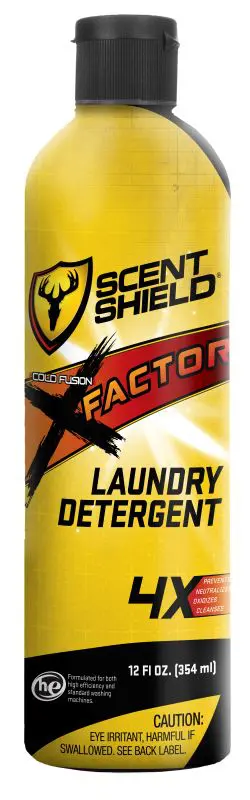
Blocker Outdoors offers Scent Shield X-Factor Laundry Detergent, or you can use other scent eliminating detergent brands to help remove odors and prevent them from developing. These products are designed specifically as part of a scent control routine. Blocker recommends using scent free detergent and avoiding fabric softeners, bleach, starches, UV brighteners, and heavily scented laundry products on its scent control garments.
After washing, keep those clothes away from the smells of the house, garage, and vehicle. Instead, store them in a scent free bag that lets no scent in, and no scent out. Clean clothes don’t do much good if they absorb the smell of gasoline, smoke, air fresheners, or other strong odors before you ever put them on.
Dress in the Field
One of the simplest ways to protect your scent control efforts is to dress in the field. Instead of wearing your hunting clothes through the truck stop, gas station, restaurant, or the drive to the trailhead, keep them clean and protected until you’re ready to hunt. The same principle applies when traveling to and from your hunting area.
Once you’re away from the everyday odors of home, vehicles, and camp, put on your scent control layers. Whenever possible, dress and undress in the field and keep your hunting clothes and gear stored away from household and vehicle odors. The less opportunity your clothing has to absorb unwanted scents, the better your chances of keeping your presence undetected.
This becomes even more important on an elk hunt because you’re often spending several days in camp and hiking significant distances. Sweat, food odors, campfire smoke, and other smells can quickly become part of your overall scent profile.
Respect the Wind
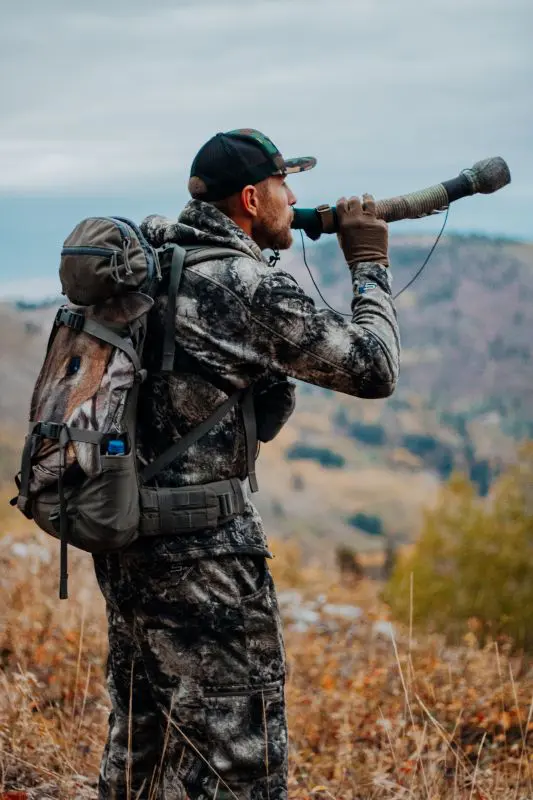
No scent control system can replace good wind management. Think of scent control as reducing the amount of human odor you’re putting into the air, not making you invisible. If the wind carries your scent directly toward an elk, even the best clothing and scent elimination routine may not save the hunt.
Pay attention to wind direction throughout the entire hunt. Mountain terrain can create swirling winds and changing thermals, particularly around ridges, saddles, draws, and basins. A wind direction that looks perfect at daylight can change as the sun warms the terrain.
Before setting up, think about where your scent will travel, not just where the elk are standing in that moment, but where they could move throughout the hunt. If the wind changes and starts carrying your scent toward the elk, be willing to adjust. Sometimes the smartest move is purely moving to a new location rather than hoping the wind settles back down.
Let Your Clothing Help
This is where scent control clothing can become an important part of the overall system. Instead, choose hunting clothing with scent reducing technology, such as Blocker Outdoors, which uses Cold Fusion Carbon and S3 Silver Anti-Microbial technologies to help eliminate unwanted odors. It is vital for western hunters to use scent control garments as part of a complete scent management strategy that includes proper garment care, personal hygiene, wind management, and hunting practices.
For elk hunters, that can be especially valuable when you’re spending long hours in the field and covering difficult terrain. Clothing that helps manage human odor gives you another layer of protection while you’re glassing, calling, hiking, or waiting for a bull to make a mistake.
Don’t overlook the smaller pieces of the system, either. Base layers, gloves, and headcovers are essential and can pair well with scent control footwear. Each piece of gear can all play a role in staying scent free from elk.
Make Scent Control Part of the Hunt
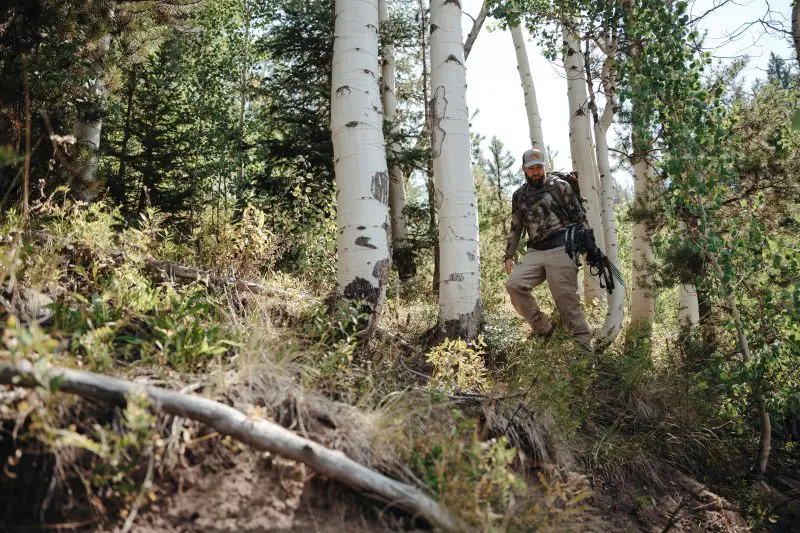
Elk hunting already requires attention to countless details. Wind, terrain, thermals, calling, movement, and setup all have to come together at the right time. Scent control should be treated the same way. Start at home by properly washing and storing your hunting clothes away from unwanted odors, then dress in the field and pay attention to personal hygiene. Throughout the hunt, monitor the wind and thermals while using quality scent control clothing from Blocker Outdoors as an added layer of protection.
You can’t eliminate every trace of human odor, and no clothing can overcome a bad wind. But when you’re chasing a mature bull in rugged country, eliminating every unnecessary advantage the elk has is worth the effort. Sometimes getting close isn’t about doing one thing perfectly. It’s about doing a lot of little things right, and keeping your scent out of an elk’s nose is one of them.